November EABIP Newsletter: Education shaping the future of IP, the Annual General Meeting 2026, Hospital Bory (Slovakia) IP Unit Spotlight, a Case of the Month on bronchial Dieulafoy's disease, the Athens IP fellowship, the SURB training rigid bronchoscope, WCBIP Melbourne workshops and how to get involved.
Newsletter November 2026
November Editorial
Education: Shaping the Future of Interventional Pulmonology
Dear EABIP Members and Colleagues,
Interventional pulmonology is evolving rapidly, with new technologies and techniques continuously expanding what we can offer our patients. But behind every innovation lies something even more important: education and training.
Learning a procedure is not simply about mastering a technique. It is about developing clinical judgment, building confidence, ensuring patient safety, and knowing when and how to apply our skills.
At EABIP, we strongly believe that high-quality training should be accessible to every interventional pulmonologist, regardless of where they practice. Structured education, hands-on experience, simulation, mentorship, and continuous professional development are essential to building a skilled and confident community.
Our responsibility goes beyond sharing knowledge. It is also about creating opportunities, supporting the next generation, and working together toward more standardized training across countries.
Because the future of interventional pulmonology depends not only on the technologies we develop, but also on the people we train.
Together, let’s continue learning, teaching, and inspiring one another.
Warm regards, The EABIP Team
🤝 EABIP Annual General Meeting 2026: Moving Forward Together
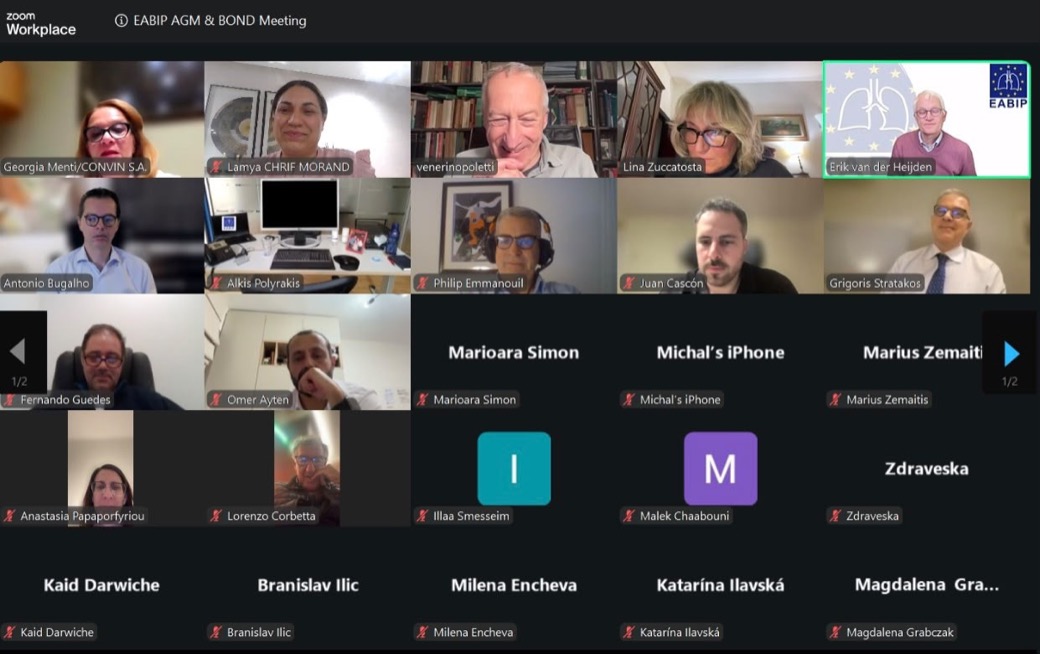
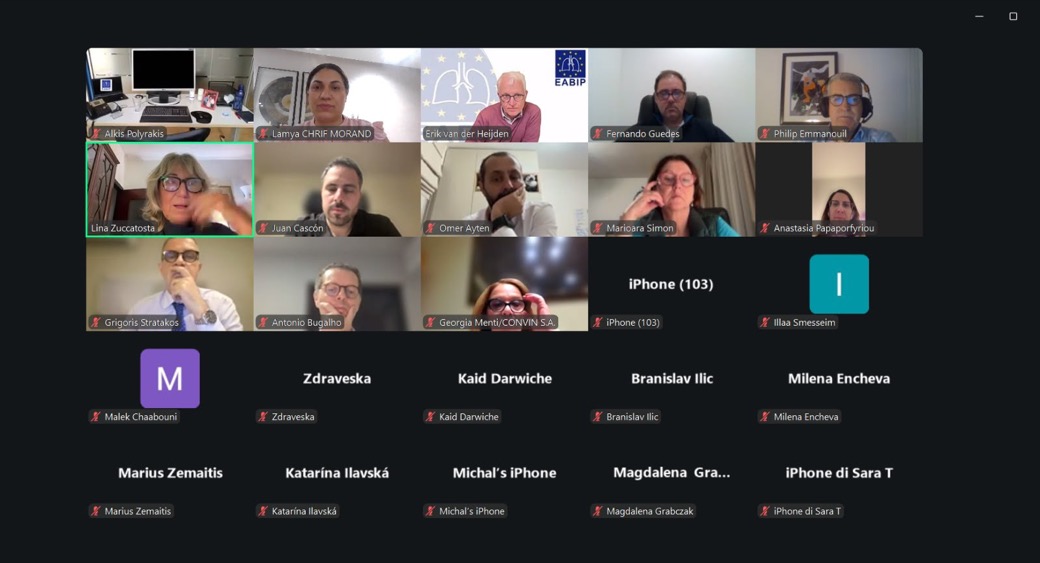
On October 27, 2026, the EABIP brought together its leadership and members for its Annual General Meeting, providing an opportunity to reflect on ongoing activities, share ideas, and discuss future priorities.
The meeting focused on strengthening educational initiatives, advancing scientific projects, enhancing communication with members, and exploring new opportunities for international collaboration.
With a shared commitment to education, innovation, and teamwork, the EABIP continues to build a stronger and more connected interventional pulmonology community.
One community, one vision, moving forward together!
🔬 Scientific & Clinical Updates
ERS/ESGE/ESTS clinical practice guidelines on endobronchial and oesophageal endosonography for the diagnosis and staging of lung cancer
Korevaar DA, Kovacevic B, Papadopoulou E, ... Herth FJF, ... Simon M, ... Annema JT. Eur Respir J, August 2026.
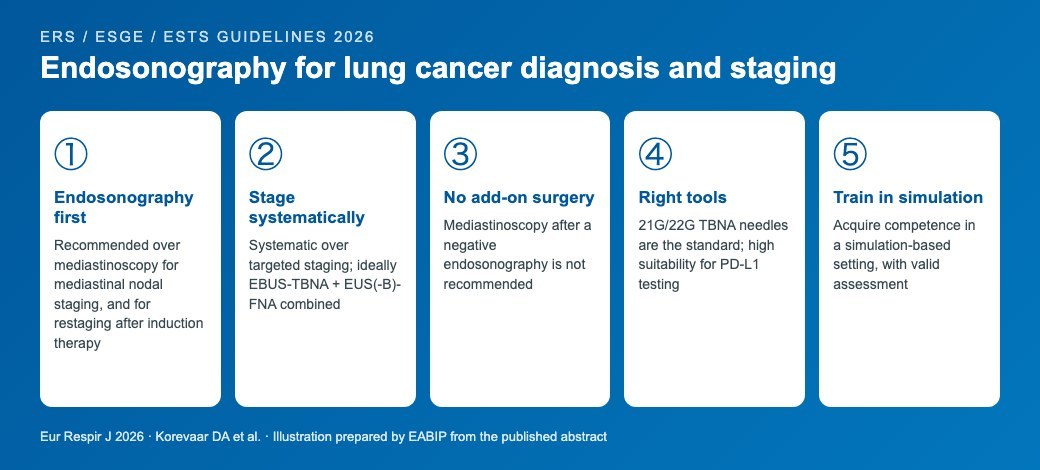
A joint task force of the European Respiratory Society, the European Society of Gastrointestinal Endoscopy and the European Society of Thoracic Surgeons formulated 12 guideline questions and graded the evidence with GRADE (searches up to April 2025).
Key recommendations in (suspected) NSCLC:
✓
Endosonography is recommended over mediastinoscopy for mediastinal nodal tissue staging, and suggested for restaging after induction therapy.
✓
Systematic staging is suggested over targeted staging as the minimal standard, ideally combining EBUS-TBNA with EUS(-B)-FNA rather than EBUS-TBNA alone.
✓
Add-on mediastinoscopy after a negative endosonography is not recommended.
✓
21G/22G TBNA needles are the standard; evidence is insufficient to support alternative needles or cryobiopsy structurally. EBUS-TBNA has a high suitability rate for PD-L1 assessment.
✓
Competence should be acquired in a simulation-based environment and ensured with valid assessment methods.
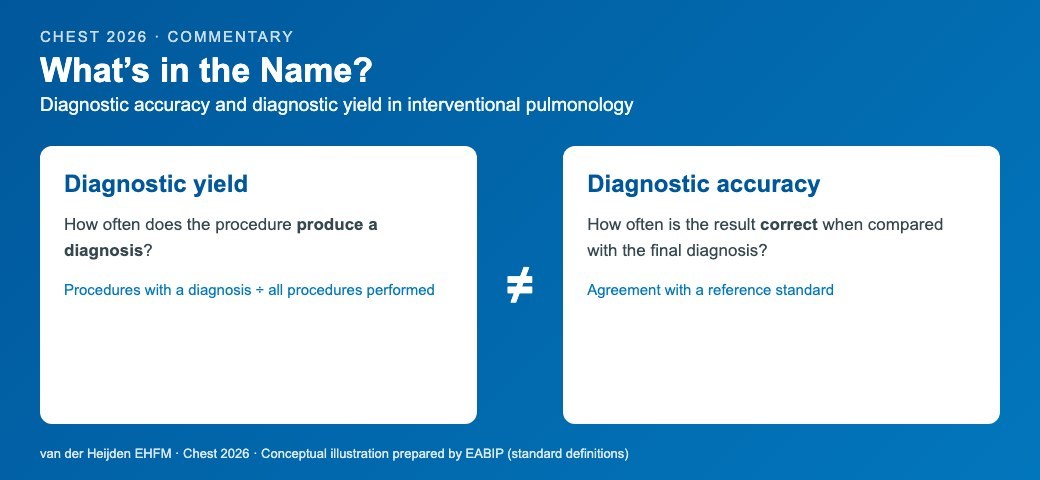
What's in the Name?: Diagnostic Accuracy and Diagnostic Yield in Interventional Pulmonology
van der Heijden EHFM. Chest, August 2026.
A commentary by EABIP President Prof. Erik van der Heijden on the terminology we use to report the performance of our procedures, and why the distinction between diagnostic accuracy and diagnostic yield matters in interventional pulmonology.
A Small Lesion, a Major Bleed: Suspected Bronchial Dieulafoy’s Disease
Contributed by Güntuğ Batıhan, Department of Thoracic Surgery, Faculty of Medicine, Çanakkale Onsekiz Mart University, Çanakkale, Türkiye .
Presentation
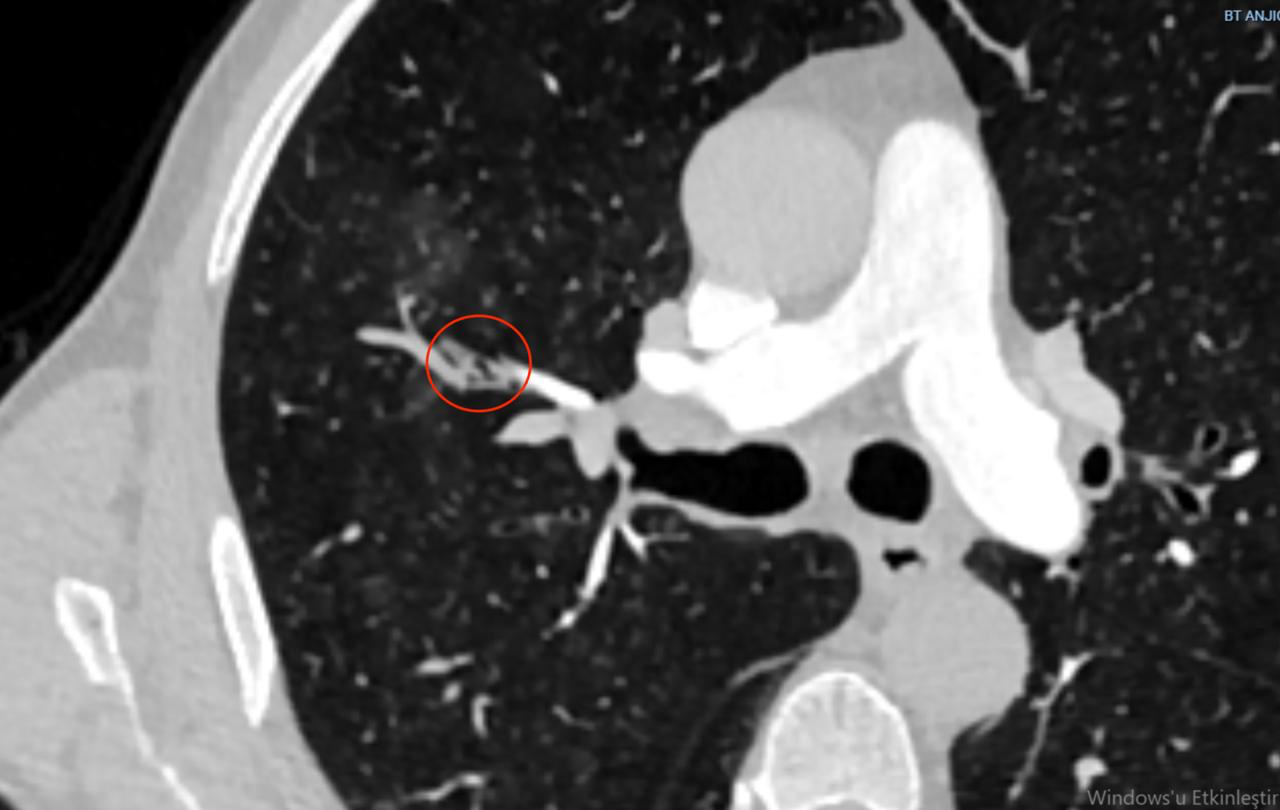
A 54-year-old man presented with recurrent haemoptysis, with an estimated cumulative blood loss of 600 mL. Contrast-enhanced chest CT demonstrated a vascular structure protruding into a subsegmental bronchus of the right upper lobe anterior segment (Figure 1).
Figure 1. Contrast-enhanced axial chest CT showing the vascular structure corresponding to the bronchoscopic finding in a subsegmental bronchus of the right upper lobe anterior segment.
Procedure
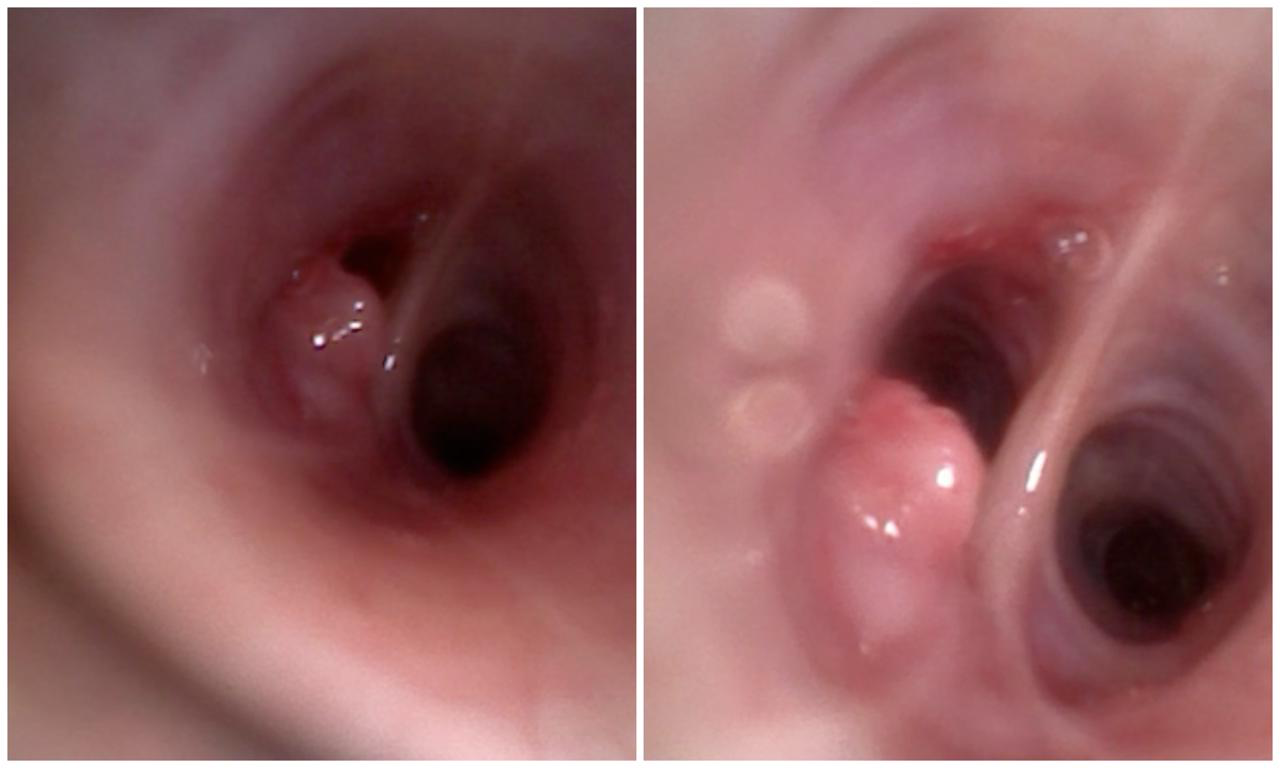
Bronchoscopy revealed a small, smooth submucosal bulge covered by normal mucosa (Figure 2). Pulsatility observed during the procedure raised suspicion of bronchial Dieulafoy’s disease, and biopsy was avoided because of the bleeding risk.
Figure 2. Bronchoscopic views showing a small, smooth bulge covered by intact mucosa. Pulsatility was observed during the procedure; biopsy was avoided because a vascular lesion was suspected.
Outcome
Bleeding was controlled during rigid bronchoscopy using cold saline, topical adrenaline, and balloon tamponade. Neither embolisation nor surgical resection was performed. The patient was discharged three days after the procedure, with no further haemoptysis reported during follow-up.
Take home message
This case illustrates how a small bronchoscopic finding can accompany substantial bleeding. Recognising its vascular nature was crucial to avoiding biopsy and guiding haemostasis.
🌎 EABIP IP Unit Spotlight
Hospital Bory, Penta Hospitals Bratislava, Slovakia
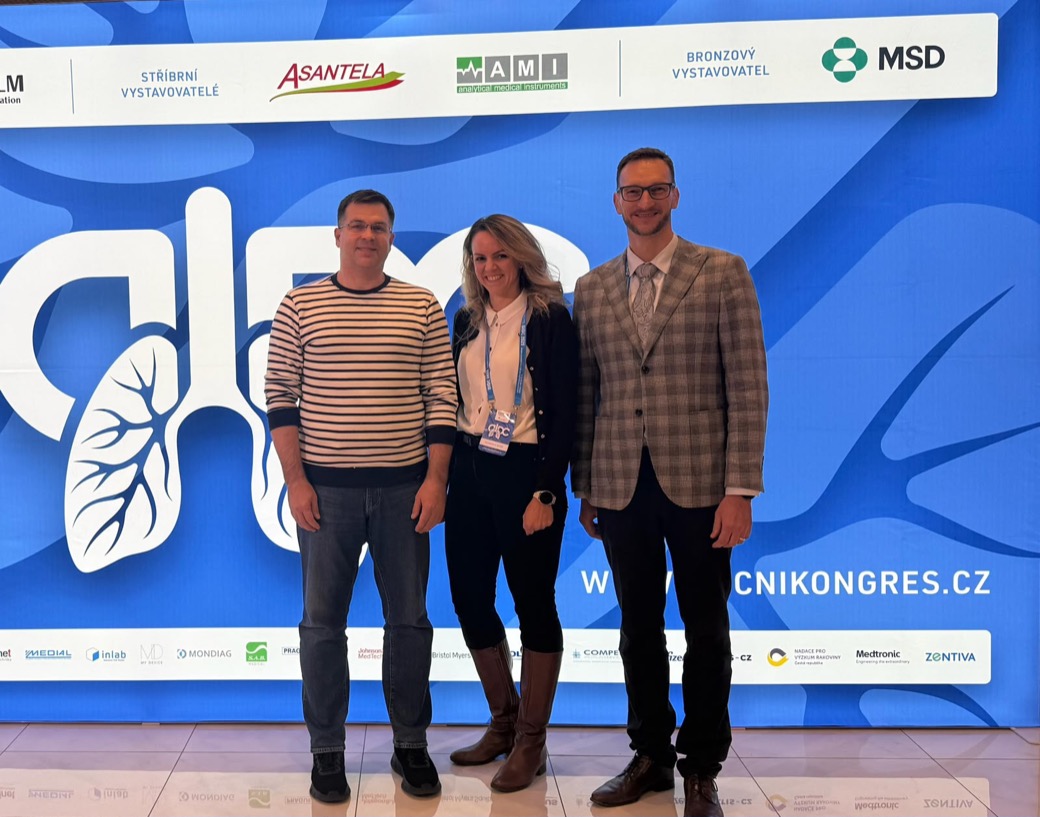
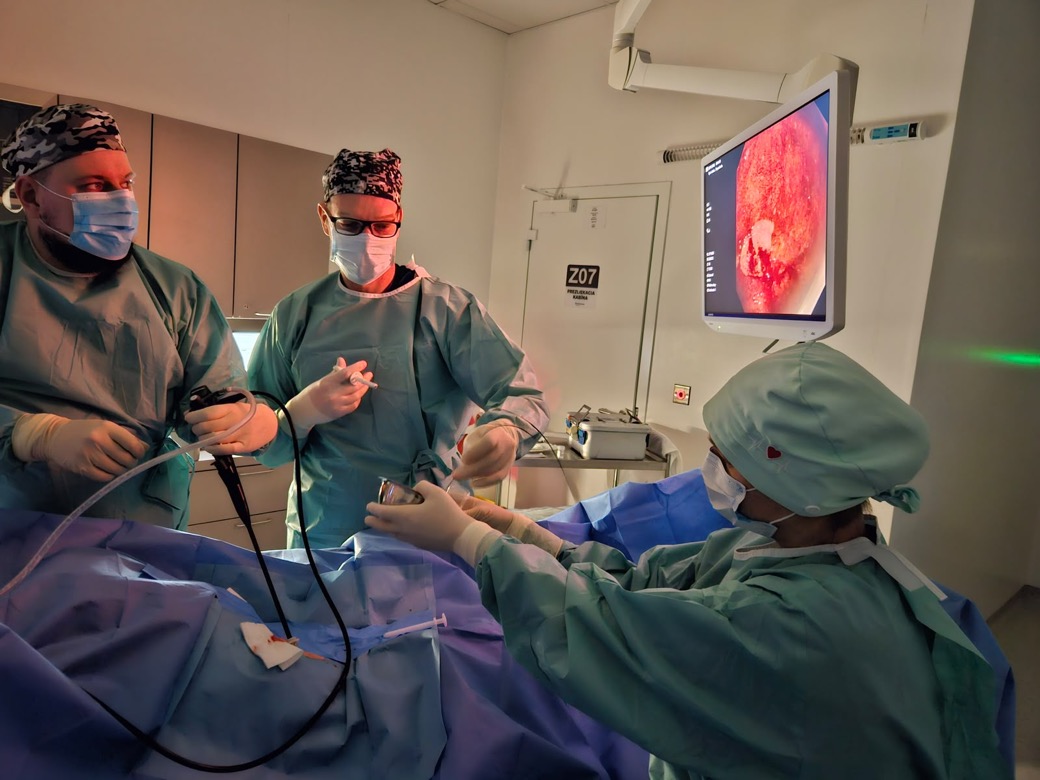
This month, we travel to Bratislava, where the Interventional Pulmonology unit of Hospital Bory (Penta Hospitals) has a unique story. While the hospital was being built, two US-based pulmonologists envisioned helping establish advanced bronchoscopy and IP standards in Slovakia: Dr. Michal Šenitko, associate professor and co-chief of Interventional Pulmonology at the University of Mississippi Medical Center, and Dr. František Sándor, assistant professor at Comenius University Bratislava. They started providing inpatient and outpatient pulmonary care shortly after Bory Hospital opened in June 2023, and the unit rapidly expanded its procedural volume in a newly equipped, modern bronchoscopy suite.
Today, the team led by Dr. Šenitko includes Dr. Sándor, Dr. Ilavská (who joined after specialization in July 2025) and Dr. Lehotay, a dedicated junior physician in pulmonary training, supported by two specialized interventional endoscopy nurses and an outpatient nurse. As the primary IP referral centre for western Slovakia, the unit also serves as a national tertiary centre and works closely with thoracic surgery at the University Hospital in Bratislava and the University Hospital in Martin.
Main procedures
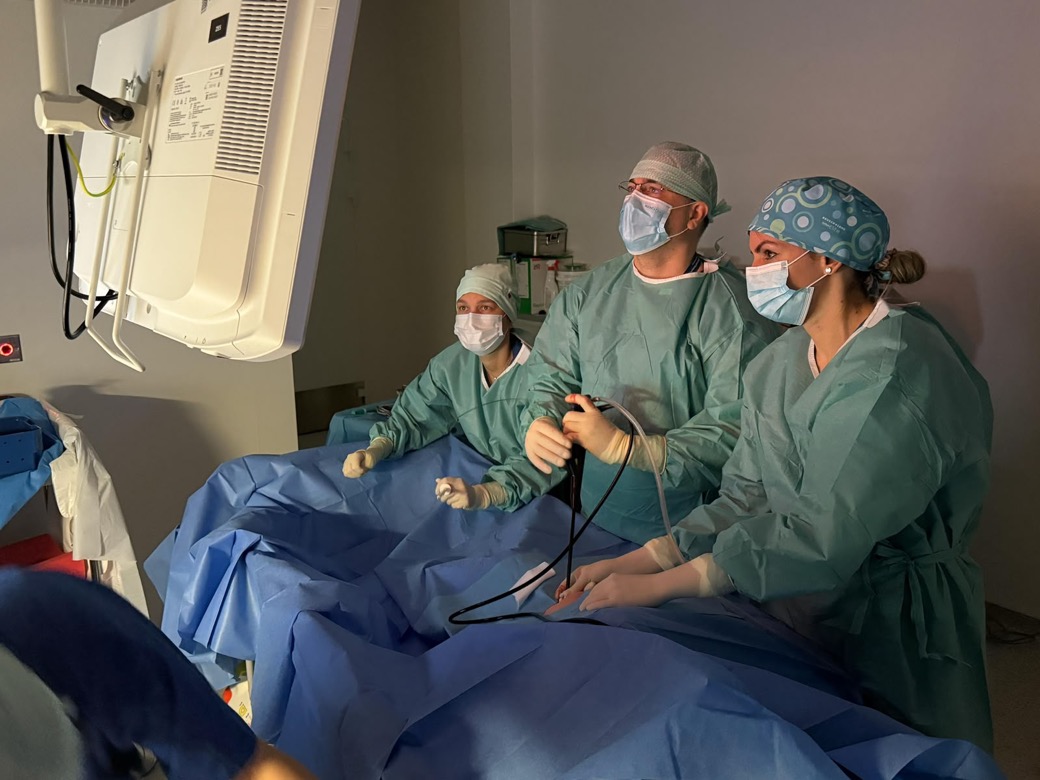
The unit runs a structured schedule: two and a half days of specialized outpatient clinic and two and a half days of interventional procedures, mostly under general anesthesia. Urgent interventions are also performed outside block time. The spectrum covers diagnostic bronchoscopy (linear EBUS-TBNA and cryobiopsies, radial EBUS with multiplane fluoroscopy for peripheral lesions, lung parenchymal cryobiopsies for interstitial disease), therapeutic bronchoscopy as one of two centres in Slovakia (benign and malignant tracheal stenosis, rigid bronchoscopy, argon plasma coagulation and cryoprobe recanalization, balloon dilation, Y and tubular stenting, endobronchial valves) and pleural interventions (ultrasound-guided thoracentesis and chest tubes, indwelling pleural catheters, chemical pleurodesis, medical thoracoscopy).
A point of pride
Building a modern, progressive IP centre from the ground up and creating a close-knit, highly efficient team. The unit has shown that a young team outside an academic centre can establish a full-spectrum IP service meeting European standards, with close collaboration across specialties and, above all, with anesthesiology colleagues.
The biggest challenge
The lack of a formal, standardized national framework or certification pathway for interventional pulmonology. IP is still underrepresented in national pulmonary fellowship curricula, structured practical training opportunities remain limited, and balancing procedure costs with reimbursement, especially for modern single-use technologies, is an ongoing challenge.
Training
Training relies on direct mentorship, hands-on practice and step-by-step guidance in the procedure room, from basic diagnostic skills to complex interventions under general anesthesia. To close the local training gap, the team is working to establish structured workshops, hands-on modules and educational initiatives for motivated young physicians across the region.
Looking ahead
The goal is to raise awareness of interventional pulmonology across Slovakia through lectures, hands-on training and guidance on diagnostic pathways and procedural indications, and to expand the team with young, IP dedicated physicians. Next on the list are modern navigation techniques, including robotic-assisted bronchoscopy and advanced fluoroscopy for peripheral nodules. The team is also preparing an official national education and training platform as the national representative of EABIP in Slovakia, and would greatly value formal endorsement of the Slovak association, educational partnerships, joint workshop endorsements and exchange opportunities for young faculty.
A message to young IP teams across Europe
“Don’t wait for ideal conditions or traditional structures to change: take the initiative, create opportunities yourselves, and collaborate! Surround yourself with passionate mentors, build strong international connections, and never underestimate the power of a dedicated, supportive team. No borders exist when it comes to sharing knowledge and advancing patient care.”
🎓 Education & Training
SURB: Single Use Training Rigid Bronchoscope
Authors
Belgundi Preeti Vidyasagar1, Hari Kishan Gonuguntla1, Rowhit Yanamadala1, Felix J.F. Herth2
1 Department of Pulmonary Medicine, Division of Interventional Pulmonology, Yashoda Hospitals, Secunderabad, Hyderabad, Telangana, India
2 Department of Pneumology and Critical Care Medicine, Clinic for Thoracic Medicine at Heidelberg University Hospital, Translational Lung Research Center Heidelberg, German Center for Lung Research (DZL), Heidelberg, Germany
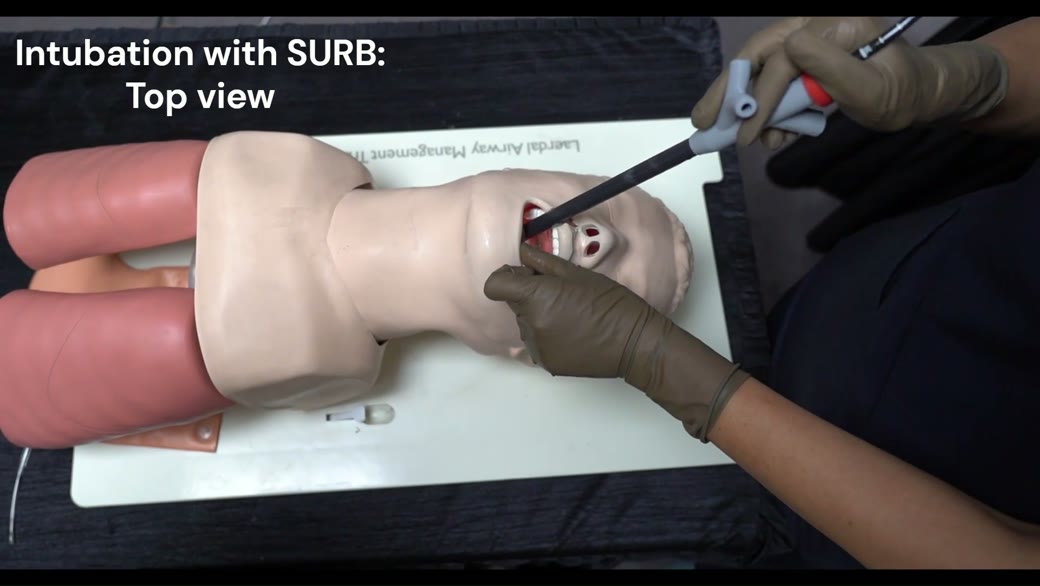
Rigid bronchoscopy is among the most technically demanding skills in interventional pulmonology, and among the hardest to master. Proficiency depends on repeated, hands-on practice, yet trainees rarely have dedicated equipment to learn on.
The SURB is a training scope purpose-built for that need. It is lightweight and affordable, and designed for simulation laboratories, hands-on workshops and fellowship programmes, so trainees can practise freely and repeatedly, building confidence at their own pace.
Distinctive features
✓
Authentic procedural feel. closely replicates the handling and workflow of a conventional rigid bronchoscope, so skills transfer naturally.
✓
Affordable and disposable. unlimited practice becomes accessible to every trainee and every training centre.
✓
Lightweight polymer construction. comfortable to handle through extended training sessions.
✓
Full-function working lumen. practise suction, instrument passage and scope manoeuvring.
✓
Precision-bevelled distal tip. master the core technique of bevel rotation while traversing the vocal cords.
To make rigid bronchoscopy training accessible to every learner, everywhere. Skills are built in the simulation lab, so that trainees step into the procedure room prepared and confident.
These proof-of-concept results support further preclinical evaluation and refinement of the SURB before progression to animal studies and first-in-human clinical trials.
Academic Clinical Fellowship in Interventional Pulmonology
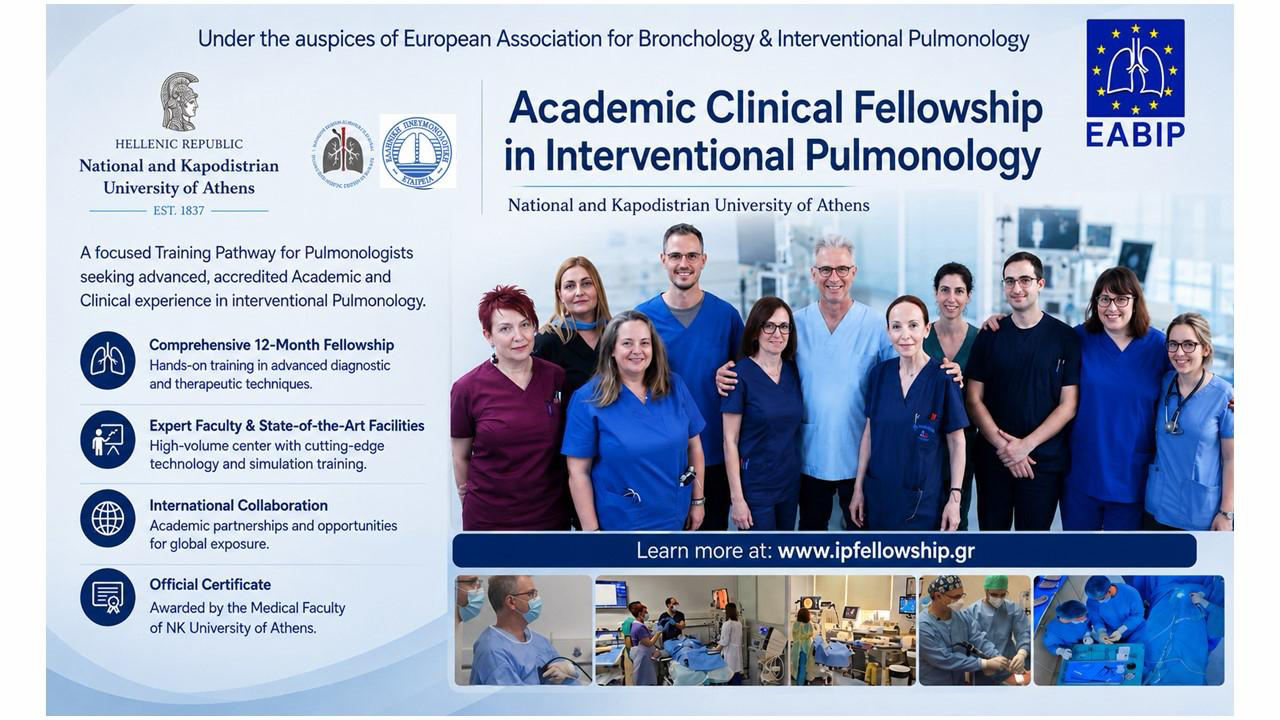
A focused 12-month training pathway for pulmonologists seeking advanced, accredited academic and clinical experience in interventional pulmonology, run by the National and Kapodistrian University of Athens under the auspices of EABIP. Trainees get hands-on training in advanced diagnostic and therapeutic techniques, work with an expert faculty in a high-volume centre with simulation training, and receive an official certificate from the Medical Faculty.
Get Involved: Be an Active Part of the EABIP Community!
EABIP is more than an association. It is a community, and its strength comes from its members!
We warmly encourage you to take an active role in EABIP activities, share your ideas, and help us shape the future of interventional pulmonology together.
Your experience matters! Share your interesting clinical cases, procedural videos, research projects, educational initiatives, and achievements with us. We would love to highlight your work and give it visibility through our newsletter and communication channels.
We also want to hear your voice! Your suggestions, feedback, and ideas are essential to making EABIP more dynamic, inclusive, and connected.
✓ Become a member and join the community
✓ Become a Regent and represent your country (see below)
✓ Take part in EABIP activities and share your work
✓ Have your scientific events endorsed by EABIP (see below)
Not yet a member? Join us! Already a member? Get involved!
Together, let’s make EABIP a community where everyone has a voice, knowledge is shared, and every contribution counts.
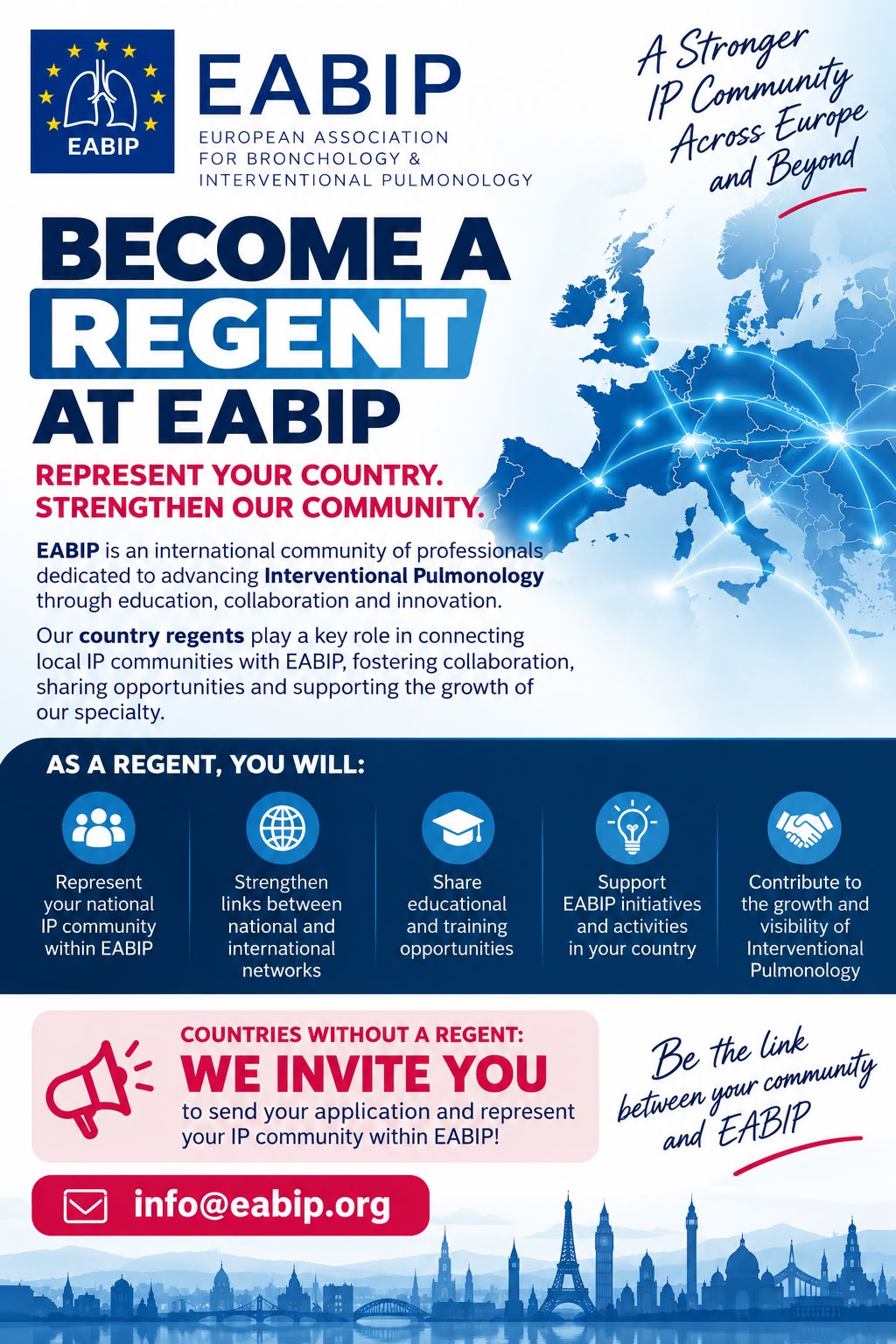
Become a Regent at EABIP: Represent Your Country, Strengthen Our Community
EABIP is an international community of professionals dedicated to advancing Interventional Pulmonology through education, collaboration and innovation. Our country Regents play a key role in connecting local IP communities with EABIP, fostering collaboration, sharing opportunities and supporting the growth of our specialty.
As a Regent, you will:
✓ Represent your national IP community within EABIP
✓ Strengthen links between national and international networks
✓ Share educational and training opportunities
✓ Support EABIP initiatives and activities in your country
✓ Contribute to the growth and visibility of Interventional Pulmonology
Countries without a Regent: we invite you to send your application and represent your IP community within EABIP! Be the link between your community and EABIP.
WCBIP 2026: 24th World Congress of Bronchology and Interventional Pulmonology
📍 Melbourne, Australia
📆 3–6 December 2026
Hosted by TSANZ & WABIP
The world’s interventional pulmonology community meets in Melbourne for the 24th WCBIP, led by Congress Co-Presidents A/Prof Arash Badiei, Prof Dan Steinfort and Prof Rajesh Thomas. The congress opens on Thursday 3 December with the hands-on workshops, the Opening Ceremony and a Welcome Reception, followed by three days of scientific sessions from Friday 4 to Sunday 6 December.
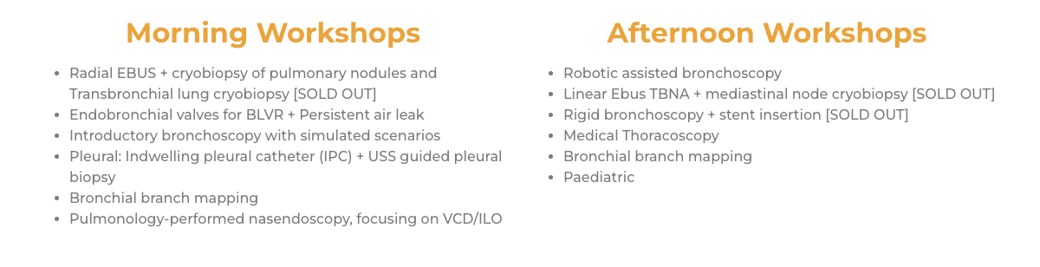
Pre-congress hands-on workshops, 3 December
Practical training for emerging and experienced interventional pulmonologists, taught by leading international faculty, with dedicated nurse stations in selected workshops. Registration is done through the main congress registration form.
Programme highlights: sessions
✓
Navigating the Peripheral Lung Nodule: Imaging, Navigation and Beyond Fri 4 Dec, 2:00 PM · Eureka 1 With Prof Neal Navani, Prof Noriaki Kurimoto and Prof Javier Flandes.
✓
Interventional Pulmonology Training 2030: Reach, Equity, and Innovation Sat 5 Dec, 10:30 AM · Eureka 3 With Dr Elaine Yap, Assoc Prof Lorenzo Corbetta and Prof Stefano Gasparini.
✓
Emerging Technologies in Bronchoscopic Tumour Ablation: From Concept to Clinical Practice Sat 5 Dec, 10:30 AM · Goldfields Theatre With Dr Kelvin Lau and Dr Daniel Sterman.
✓
Visionary pioneers and pathmakers: Women in IP Sat 5 Dec, 8:30 AM · Eureka 3 With Prof Pyng Lee, Dr Carla Lamb, Dr Lamya Chrif Morand and Dr Jasleen Pannu.
9th European Congress of Bronchology and Interventional Pulmonology
📍 Ljubljana, Slovenia
📆 19–22 May 2027
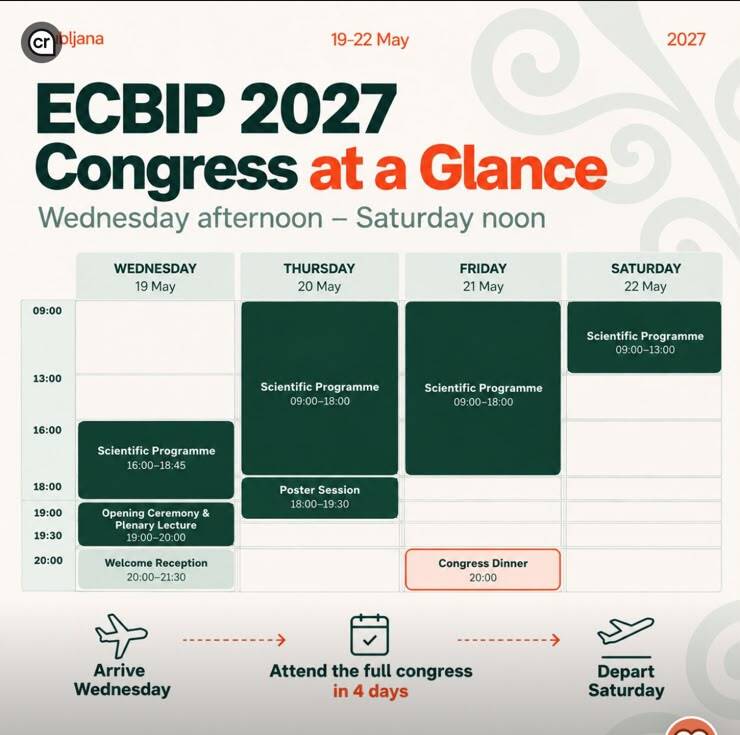
Please note the new congress format: ECBIP 2027 will take place over four days, making it easier to plan your travel and attendance. The congress opens Wednesday afternoon, 19 May, followed by two full scientific programme days on Thursday and Friday, with the final scientific sessions concluding around 13:00 on Saturday, 22 May. Arrive Wednesday, attend the full congress in 4 days, depart Saturday.
 .