|
Newsletter October 2026
|
Welcome to the October EABIP Newsletter
|
Dear colleagues and friends,
Welcome to the October edition of the EABIP Newsletter.
As we move into the final months of the year, our community continues to grow through education, scientific exchange, collaboration, and innovation in interventional pulmonology. This month's newsletter brings together the latest activities from across our network, highlights opportunities to connect and learn, and shares initiatives from colleagues and centres throughout Europe and beyond.
We hope you enjoy this edition and continue to share your projects, events, cases, and achievements with the EABIP community.
Stay connected, stay inspired, and enjoy the October edition!
Warm regards,
The EABIP Team
|
|
|
🔬 Scientific & Clinical Updates
The Interventional Pulse: Novelties in Interventional Pulmonology from ERS Congress 2026
|
🏆 Three Biggest Breakthroughs
Robotics proves itself head-to-head. Robotic bronchoscopy beat a matched conventional scope on the same cone-beam CT platform, isolating the robot itself as the variable for the first time: 77.8% vs 68.6% diagnostic yield (p=0.02, n=522).
A new frontier in ablation. A new RFA ablation system doubled ablation zone diameter (1.5cm → 3cm) with a 94.6% complete-ablation rate at 6 months.
Cryobiopsy keeps finding new jobs. The technique broke out of its nodule niche into three new territories in one congress: interstitial lung disease, ground-glass nodules, and immune-checkpoint-inhibitor lung injury.
|
🤖 Robotics: head-to-head and new territory
RBS beat ENB and fluoroscopy in a 270-patient 1:1:1 RCT (strict yield 81.1% vs 61.1% vs 47.8%, p<0.001), while CBCT-guided robotic bronchoscopy beat CBCT-guided conventional bronchoscopy in a 522-patient propensity match (77.8% vs 68.6%, p=0.02, same complication rate). Robotic + cone-beam-CT cryobiopsy was used for the first time for suspected ILD (5 patients, 100% adequate tissue, zero major complications), and systematic biopsy of secondary lesions changed the overall diagnosis in 34% of 131 patients, including 56 synchronous malignancies that would have been missed. A learning curve study mapped competency at 45 procedures, and a 5G-enabled remote robotic bronchoscopy study reported 100% technical success across 2,179 km average distance.
Sources: Zhong/Huang/Xu et al. (Guangzhou), Marsolais et al. (Laval/Penn/Stanford), Khattar/Sakata/Swanson et al. (Phoenix/Scottsdale), Engeli et al. (Zurich), You/Zhong/Huang et al. (Guangzhou), "Frontiers of Interventional Pulmonology" session recap.
❄️ Cryobiopsy: new indications
A novel indication for diagnosing immune-checkpoint-inhibitor lung injury reached 100% adequate tissue (8 patients). Two independent fluoroscopy-free protocols were validated for ILD (yields of 84% and final diagnosis in 91%), opening the technique to centres without fluoroscopy or CBCT. Added to EBUS-guided biopsy for ground-glass nodules, cryobiopsy lifted diagnostic accuracy from 68.9% to 85.6%.
Sources: Curci/Petrarulo/De Grauw et al. (Monza/Forlì), Anagnostopoulos et al. (Athens), Chen/Wu/He et al. (Beijing), Lin/Ruan/Fan et al. (Taipei).
📊 Real-world & imaging confirmations
Cone-beam CT integration to virtual bronchoscopy and radial EBUS raised sensitivity to 84% and AUC from 0.67 to 0.92. Virtual bronchoscopy still adds value as a pre-procedure predictor, complementary to CBCT rather than obsolete. CBCT was required to localise 65% of nodules ≤8mm, without it those lesions are essentially unreachable. A 3-year real-world ENB registry showed yield improved 62%→76% over the study period, with 90% PD-L1 adequacy. Clinical-case corner: cryobiopsy + next-gen sequencing solved a Coccidioides pneumonia mimicking refractory community-acquired pneumonia; bronchial mucosal vascular changes traced a post-angiographic haemoptysis source.
Sources: "Frontiers" session recap, Emmanouil/Foley/Griffiths/Thong/Breen (Galway), "World of Imaging" session (Poletti, Stratakos).
🖥️ Software enters the suite: AI & onsite intelligence
The LIONS PREY malignancy-risk model outperformed the established Brock/Herder scores (AUC 0.96 vs 0.73/0.59), and the AI-ROSE cytology model classified biopsy adequacy in real time with 98.7% accuracy, a potential fix for the cytopathologist-availability gap.
Sources: Büscher/Funke/Darwiche et al. (Essen), Natuzzi/Romani/Lucantoni et al. (Rome), Qi & Liu (Sichuan).
The Interventional Pulse, a theme-grouped digest of ERS Congress 2026 abstracts.
|
|
|
🔬 Case of the Month
A complex post-inhalation tracheal stenosis: when stenting is not the end of the story
|
Contributed by Lina Zuccatosta, MD
Director, Interventional Pulmonology Unit, Antonio Cardarelli Hospital, Naples, Italy.
|
|
Presentation
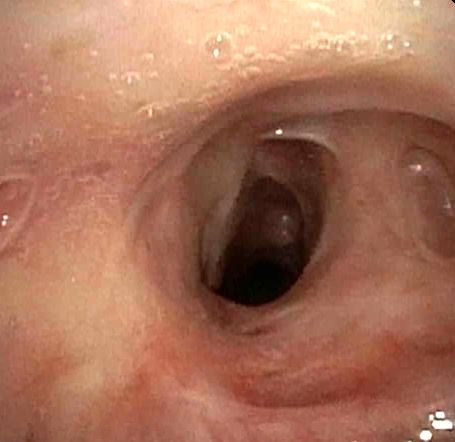
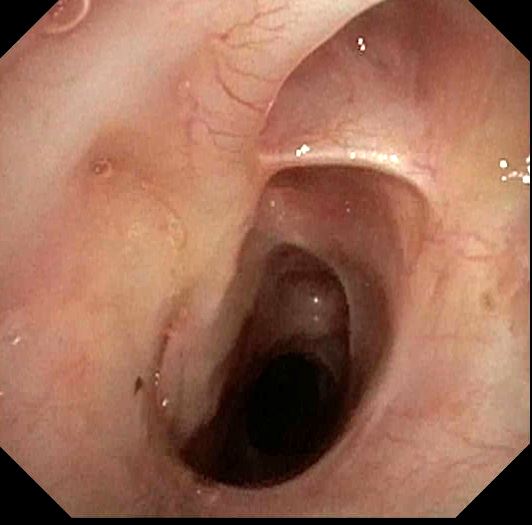
A 55-year-old male carpenter, former smoker, with no family history of cancer, cardiovascular or respiratory disease. In 2014, he suffered severe respiratory failure from massive carbon monoxide and smoke inhalation during a fire, requiring oro-tracheal intubation and mechanical ventilation for 10 days. In 2015, flexible bronchoscopy for cough and wheezing revealed a post-intubation stenosis of the upper third of the trachea, treated with rigid bronchoscopy, laser incision and dilatation. The patient was then lost to follow-up for 12 years, during which he returned to Ukraine. He came back to Italy and, at the end of July, presented to the emergency room with progressive dyspnoea, wheezing and tirage.
Procedure
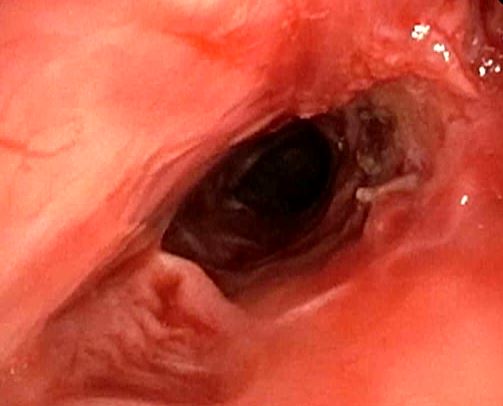
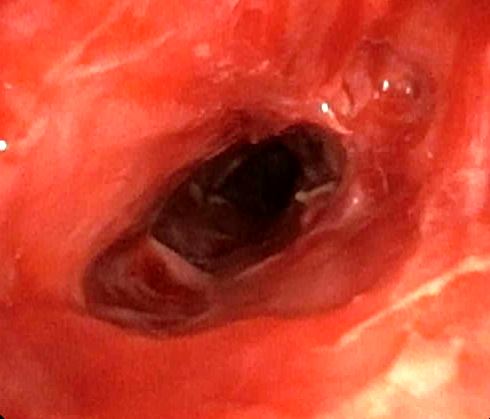
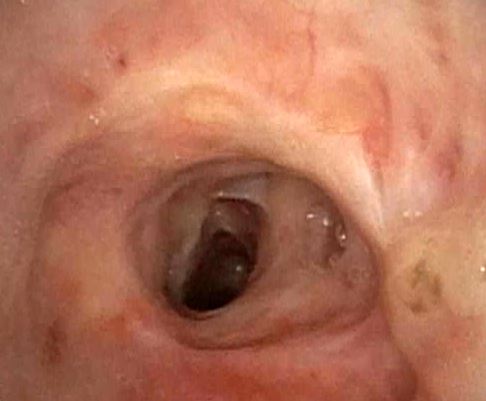
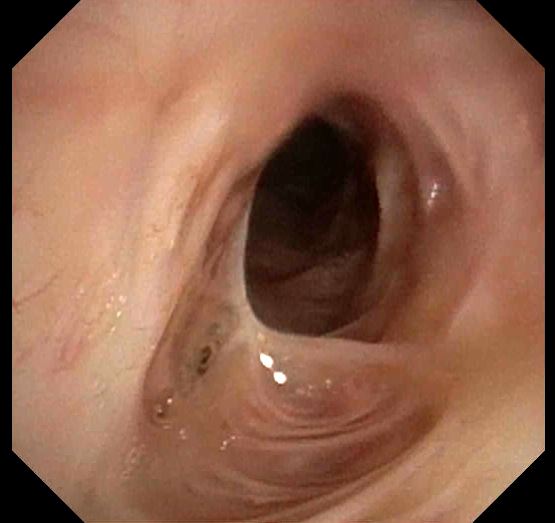
Flexible bronchoscopy showed a complex, tortuous stenosis of the upper and middle trachea, 4.5 cm long, with residual lumen at cricoid level of only 30%. Rigid bronchoscopy was performed with laser incision of fibrotic bands and dilatation using tubes of increasing caliber. Since the trachea did not maintain adequate caliber after dilatation, a linear silicone stent (Dumon T12-50, Novatech) was placed at the end of the procedure. Exploration of the bronchial tree revealed unexpected findings: diffuse tortuous, irregular and fibrotic lobar and segmental bronchi, with sticky secretions, showing that the carbon monoxide inhalation had damaged not only the trachea but also the lower airways.
Follow-up
Despite airway clearance techniques, respiratory physiotherapy, hydration and fluidification, and infection prophylaxis, bronchoscopic surveillance showed stent migration with mucus obstruction. After three stent repositionings and a multidisciplinary discussion (MDD), the team decided to proceed with tracheostomy.
|
Take home message
Inhalation injury can cause diffuse, multi-level airway damage well beyond the initially treated segment, and silicone stenting, while often effective, is not always a definitive solution: recurrent migration and secretion management can ultimately necessitate surgical airway management. Long-term bronchoscopic surveillance after airway stenting remains essential, even years after the index injury.
|
|
|
|
|
🌎 EABIP IP Unit Spotlight

|
University Clinic Golnik, Slovenia
|
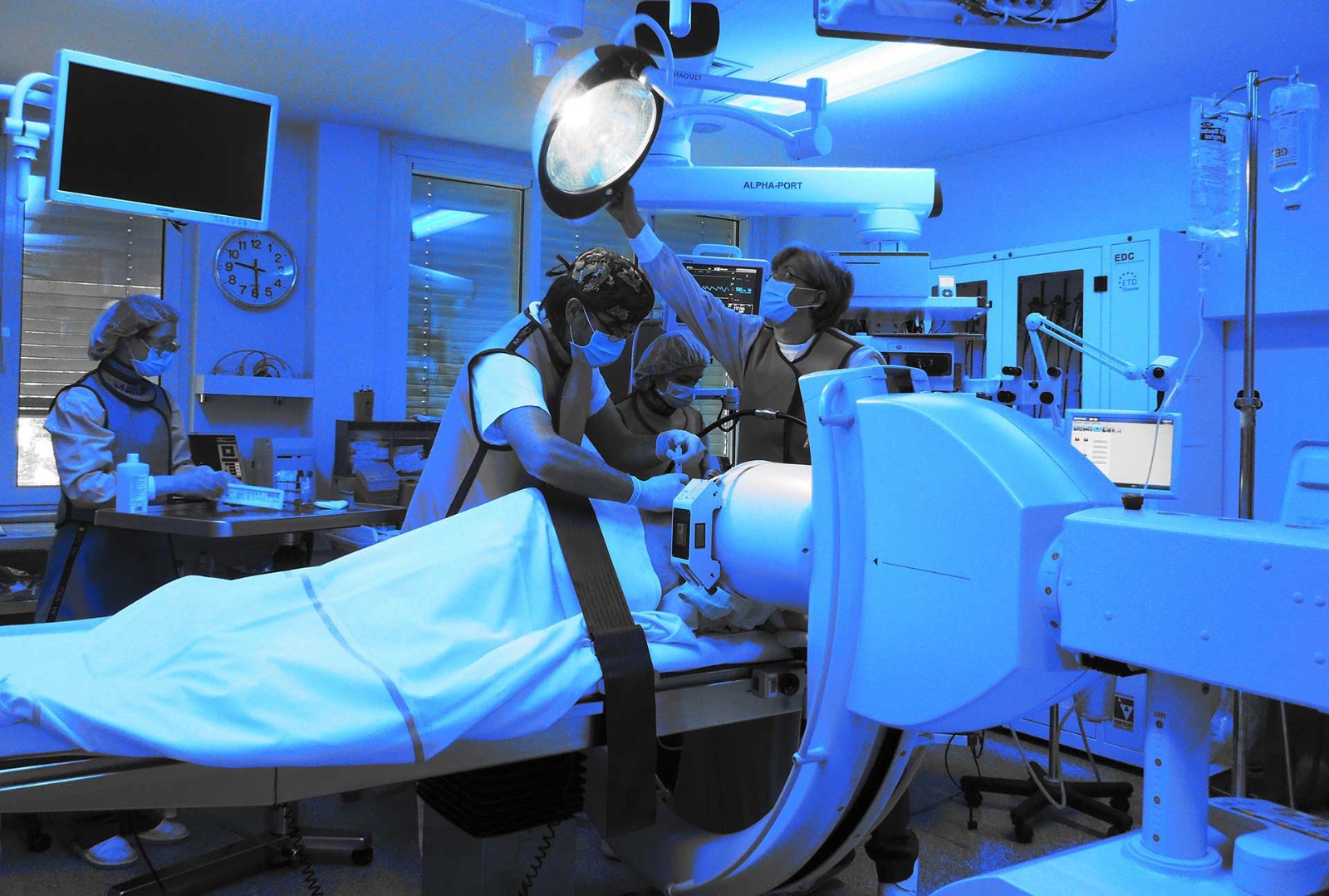
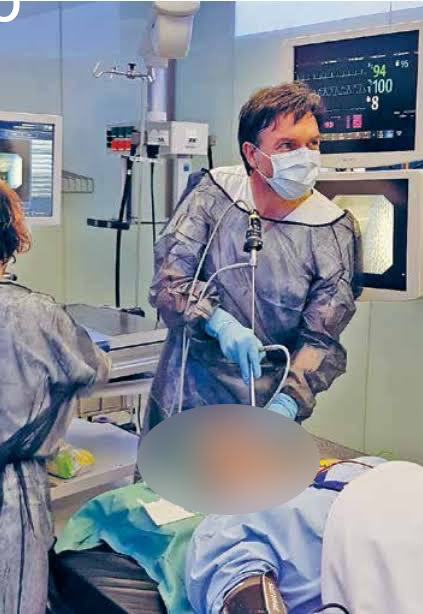
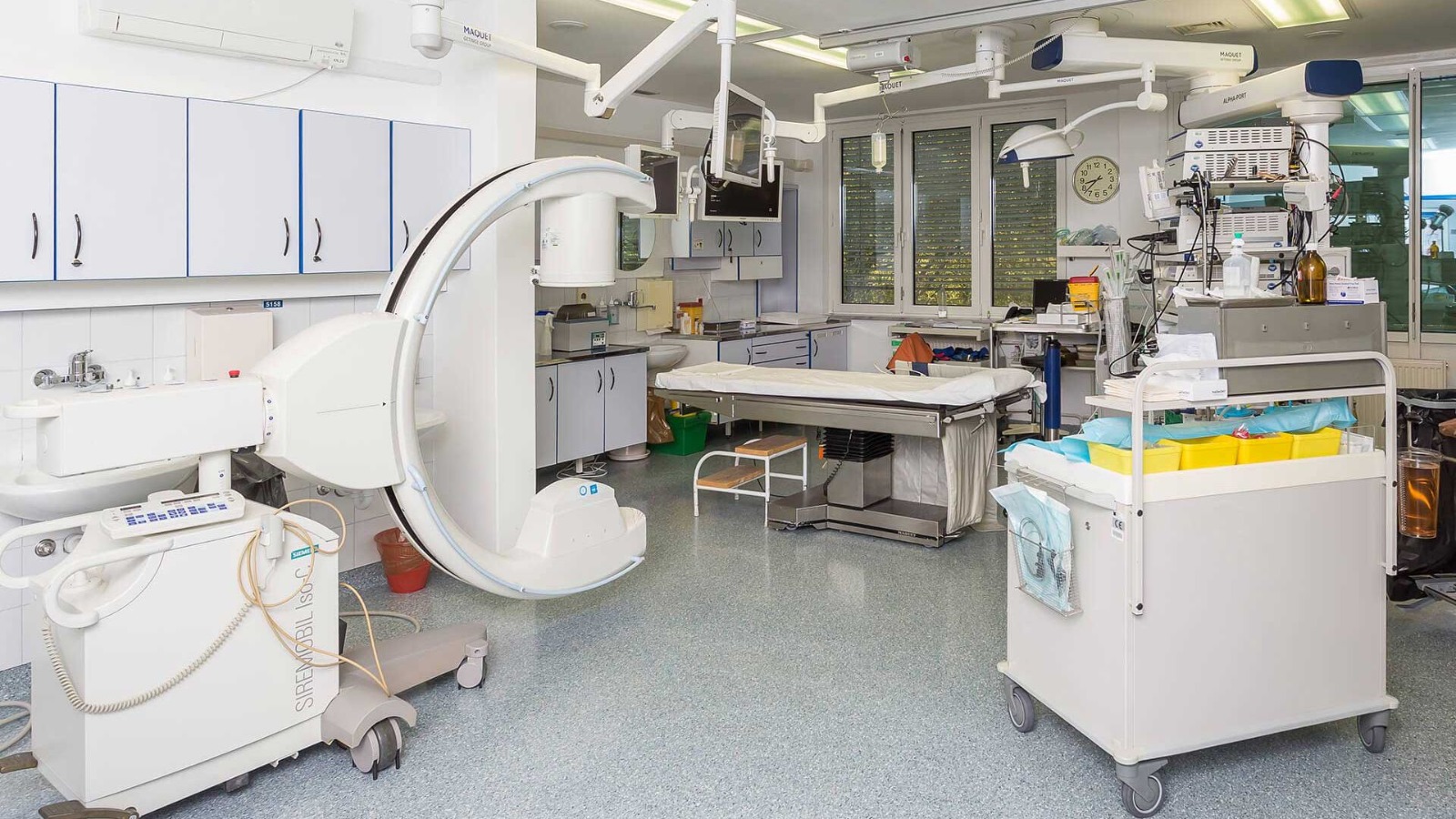
This month, we take you inside the Interventional Pulmonology unit of University Clinic Golnik, headed by Dr. Aleš Rozman, part of a country with a population of around 2 million, yet one of Slovenia's referral centres for respiratory diseases. The unit includes a hospital ward, mostly treating patients undergoing diagnostic work-up for pulmonary infiltrates and pleural effusions, and a bronchoscopy unit with four attending interventional pulmonologists working closely with bronchoscopy nurses, anaesthesiologists and radiologists. Four more attending pulmonologists and pulmonology residents staff the ward.
Main procedures
Most bronchoscopies are performed for the diagnosis of lung tumours, interstitial lung disease and mediastinal lesions, including transbronchial lung cryobiopsies, EBUS-TBNA and mediastinal lymph node cryobiopsy. Therapeutic bronchoscopy covers mechanical debulking, airway stenting, endobronchial valve placement and foreign body removal. In pleural disease, the team performs thoracentesis and medical thoracoscopy, with CT- or ultrasound-guided biopsies of pleural and pulmonary lesions carried out by radiology colleagues.
A point of pride
The introduction of mediastinal lymph node cryobiopsy has significantly improved diagnostic yield in selected patients, alongside the full range of therapeutic procedures now performed in the unit, including airway stenting and endobronchial valve placement.
The biggest challenge
Slovenia's small size means the unit sees complex cases less frequently than high-volume centres in larger countries, making it harder to build experience with some advanced procedures.
Training
The centre uses simulators to teach the basics, before trainees progress to diagnostic flexible bronchoscopy and basic sampling techniques, and then slowly to more advanced procedures under supervision. Courses, training programmes and congresses organised by EABIP, WABIP and ERS are an important part of training.
Looking ahead
The team's goals include building further confidence and skill in basic bronchoscopy, and gaining more experience in EBUS-TBNA, mediastinal lymph node cryobiopsy and thoracoscopy. For a relatively small centre, international collaboration is seen as extremely valuable, particularly short fellowships or observerships in high-volume IP centres, giving young pulmonologists the chance to see more complex cases and bring the experience home.
|
A message to young IP teams across Europe, by Dr. Anže Pelko
“Coming from a small country, I think that almost every young IP team probably feels small at the beginning of their journey. Fortunately, today we have many opportunities to learn from successful centres, connect with colleagues from other countries and share experiences. In the end, we all have the same goal, to improve our skills, develop our programs and provide the best possible care for our patients.”
|
|
 Slovenia is at the honour this year: University Clinic Golnik's home country will host the next EABIP congress, as Ljubljana welcomes ECBIP 2027, the 9th European Congress of Bronchology and Interventional Pulmonology, from 19 to 22 May 2027. Slovenia is at the honour this year: University Clinic Golnik's home country will host the next EABIP congress, as Ljubljana welcomes ECBIP 2027, the 9th European Congress of Bronchology and Interventional Pulmonology, from 19 to 22 May 2027.
|
|
|
|
|
🤝 Community & Networking

|
|
Become a Regent at EABIP: Represent Your Country, Strengthen Our Community
EABIP is an international community of professionals dedicated to advancing Interventional Pulmonology through education, collaboration and innovation. Our country Regents play a key role in connecting local IP communities with EABIP, fostering collaboration, sharing opportunities and supporting the growth of our specialty.
As a Regent, you will:
| ✓ Represent your national IP community within EABIP |
| ✓ Strengthen links between national and international networks |
| ✓ Share educational and training opportunities |
| ✓ Support EABIP initiatives and activities in your country |
| ✓ Contribute to the growth and visibility of Interventional Pulmonology |
Countries without a Regent: we invite you to send your application and represent your IP community within EABIP! Be the link between your community and EABIP.
|
|
|
|
📰 News
European Implementation Study on Image-Guided Navigation Bronchoscopy
|
The EABIP invites pulmonologists, interventional pulmonologists, and residents to participate in a European survey exploring the key barriers to implementing image-guided navigation bronchoscopy (NB) in clinical practice.
🎯 Why participate? Your perspective will directly inform a shared European implementation plan for the implementation of image-guided NB into clinical practice.
🔒 Your responses are confidential and analysed anonymously. No prior NB experience is needed, the survey takes 10–15 minutes.
Thank you for your valuable contribution!
Drs. Ferhat Beyaz, Dr. Roel L.J. Verhoeven, Prof. Dr. Erik H.F.M. van der Heijden
|
|
|
|
🎓 Education & Training
🌟 Another Successful ROSE Course!
|
The second edition of the EABIP Course on ROSE (Rapid On-Site Evaluation) for Respiratory Clinicians, led by Prof. Venerino Poletti, was a great success.
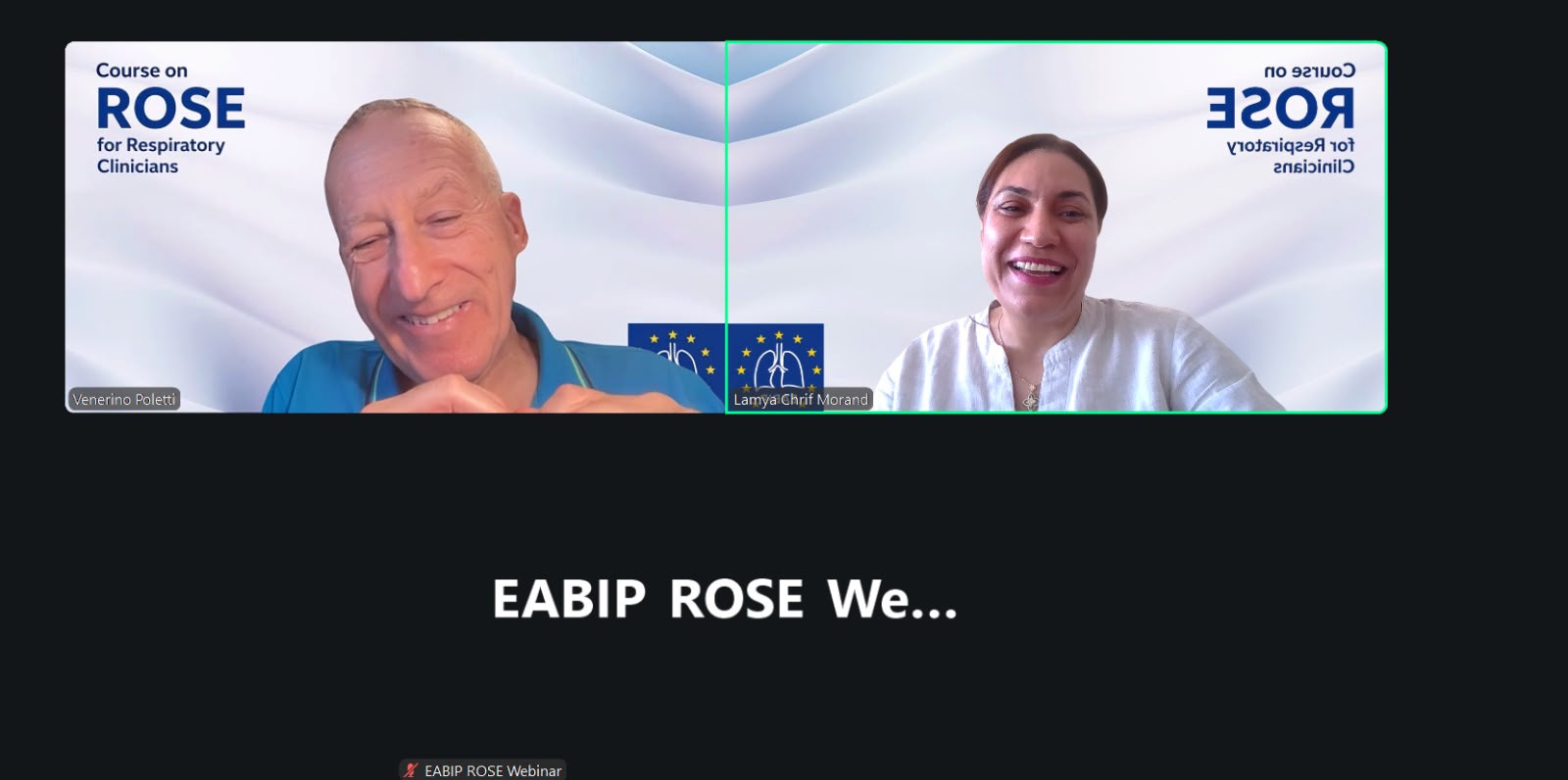
Prof. Venerino Poletti and Dr. Lamya Chrif Morand during the live EABIP ROSE webinar.
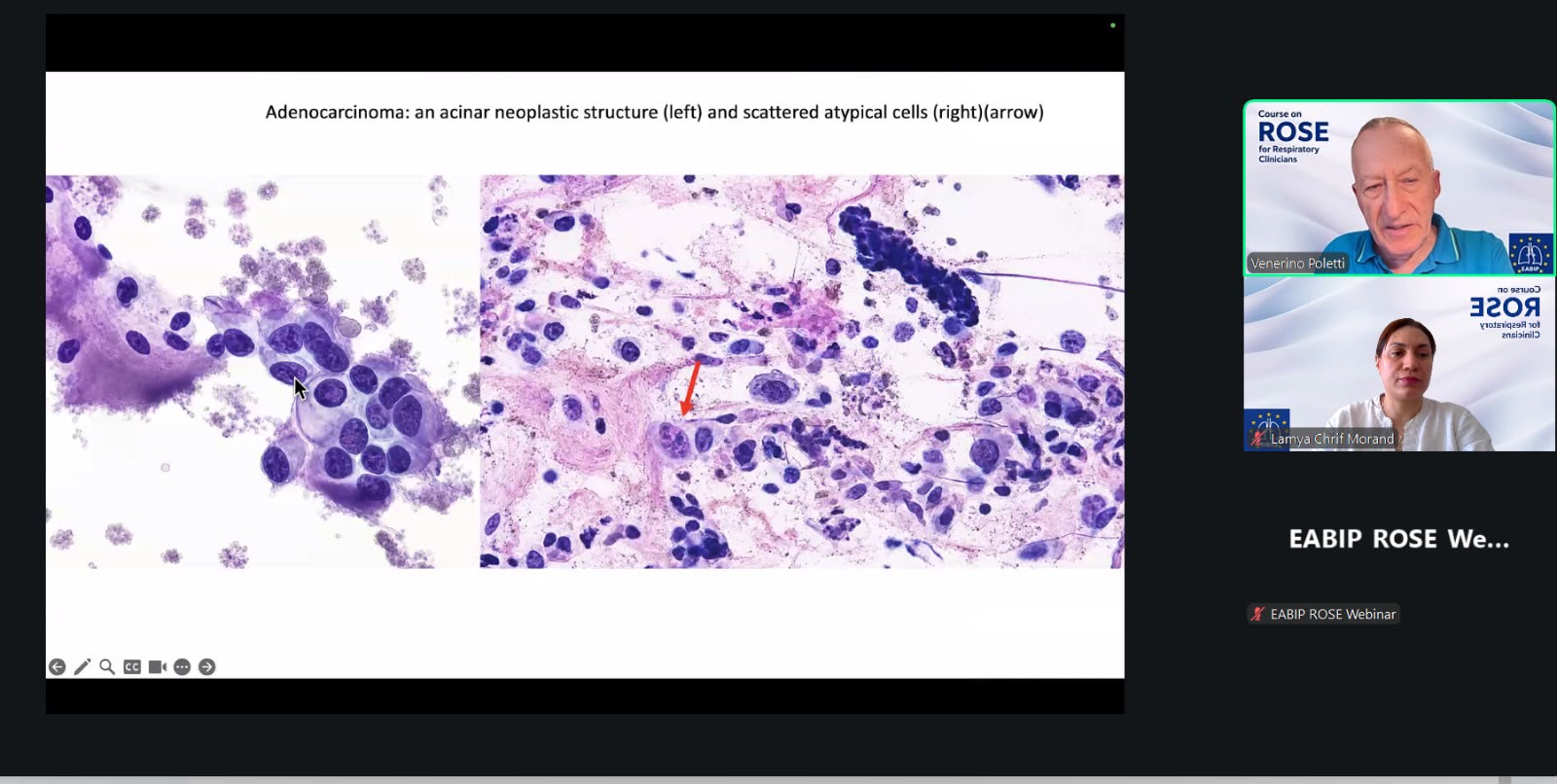
Adenocarcinoma, acinar neoplastic structure and scattered atypical cells.
|
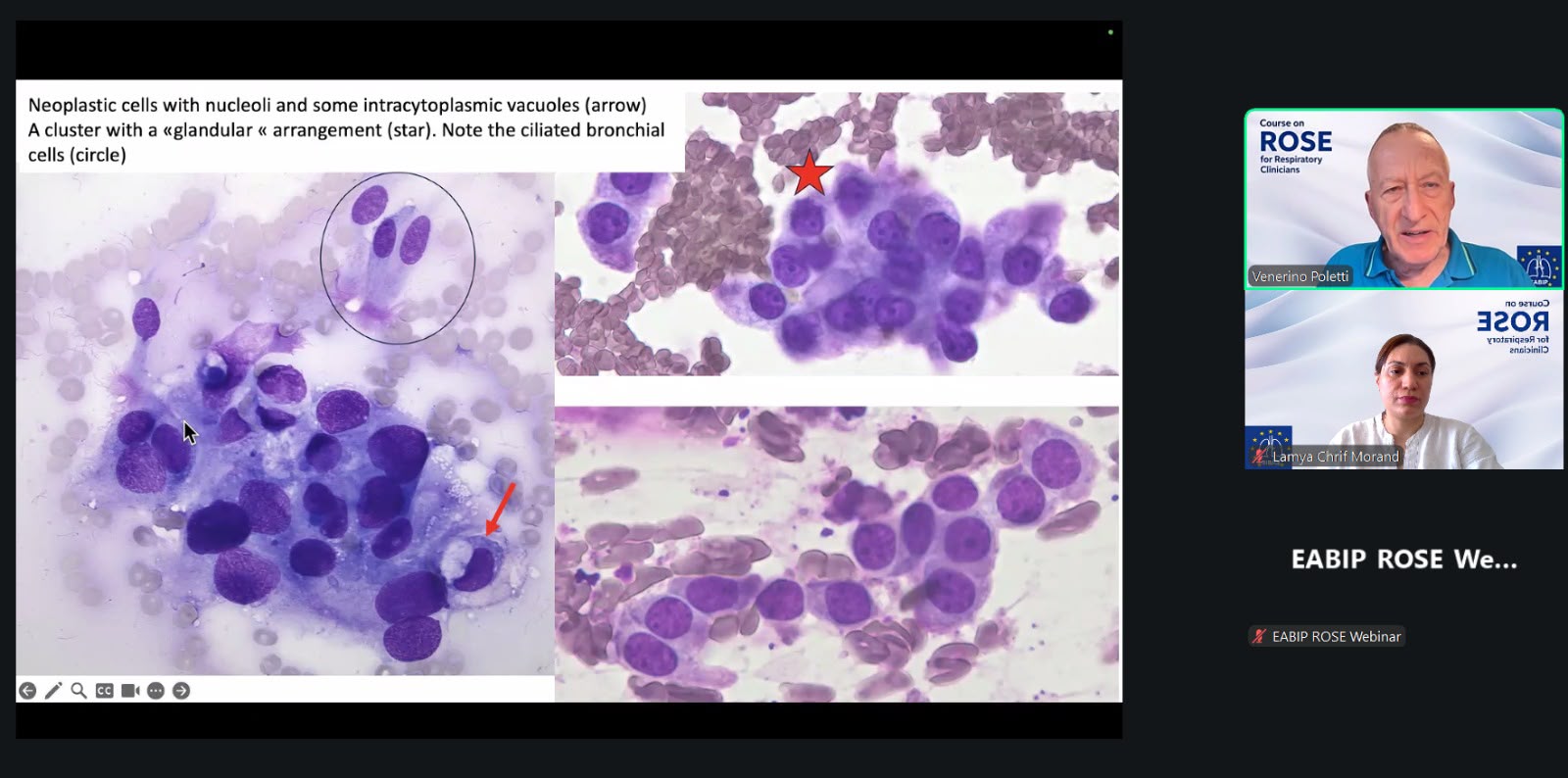
Neoplastic cells with nucleoli, glandular arrangement and ciliated bronchial cells.
|
A huge thank you to Prof. Venerino Poletti for once again sharing his outstanding expertise, practical insights and experience with our community, and to Dr. Lamya Chrif Morand, MD, MSc, for moderating the course and fostering lively discussions and interaction between Prof. Poletti and the participants. A warm thank you as well to all the participants for their enthusiasm, engagement and excellent questions throughout these two days.
It was a pleasure to see such strong interest in ROSE and to bring our community together around education and shared expertise. Thank you all for making this second edition such a success! 🌍🪴
|
|
|
|
📅 Upcoming Events
 |
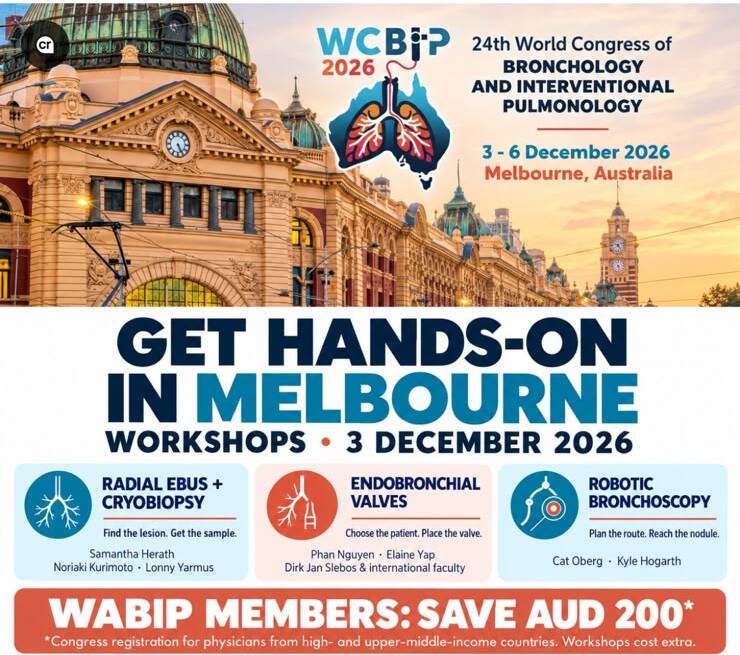
24th World Congress of Bronchology and Interventional Pulmonology |
|
📍 Melbourne, Australia
|
|
📆 3–6 December 2026 · Hands-on workshops: 3 December 2026
|
|
Hosted by TSANZ & WABIP
|
|
|
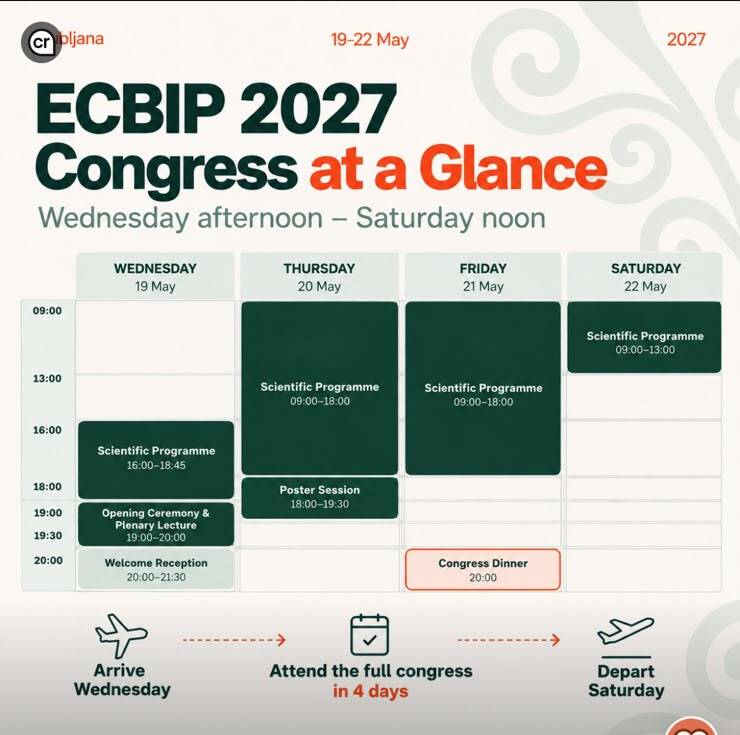
9th European Congress of Bronchology and Interventional Pulmonology |
|
📍 Ljubljana, Slovenia
|
|
📆 19–22 May 2027
|
Please note the new congress format: ECBIP 2027 will take place over four days, making it easier to plan your travel and attendance. The congress opens Wednesday afternoon, 19 May, followed by two full scientific programme days on Thursday and Friday, with the final scientific sessions concluding around 13:00 on Saturday, 22 May. Arrive Wednesday, attend the full congress in 4 days, depart Saturday.
|
 |
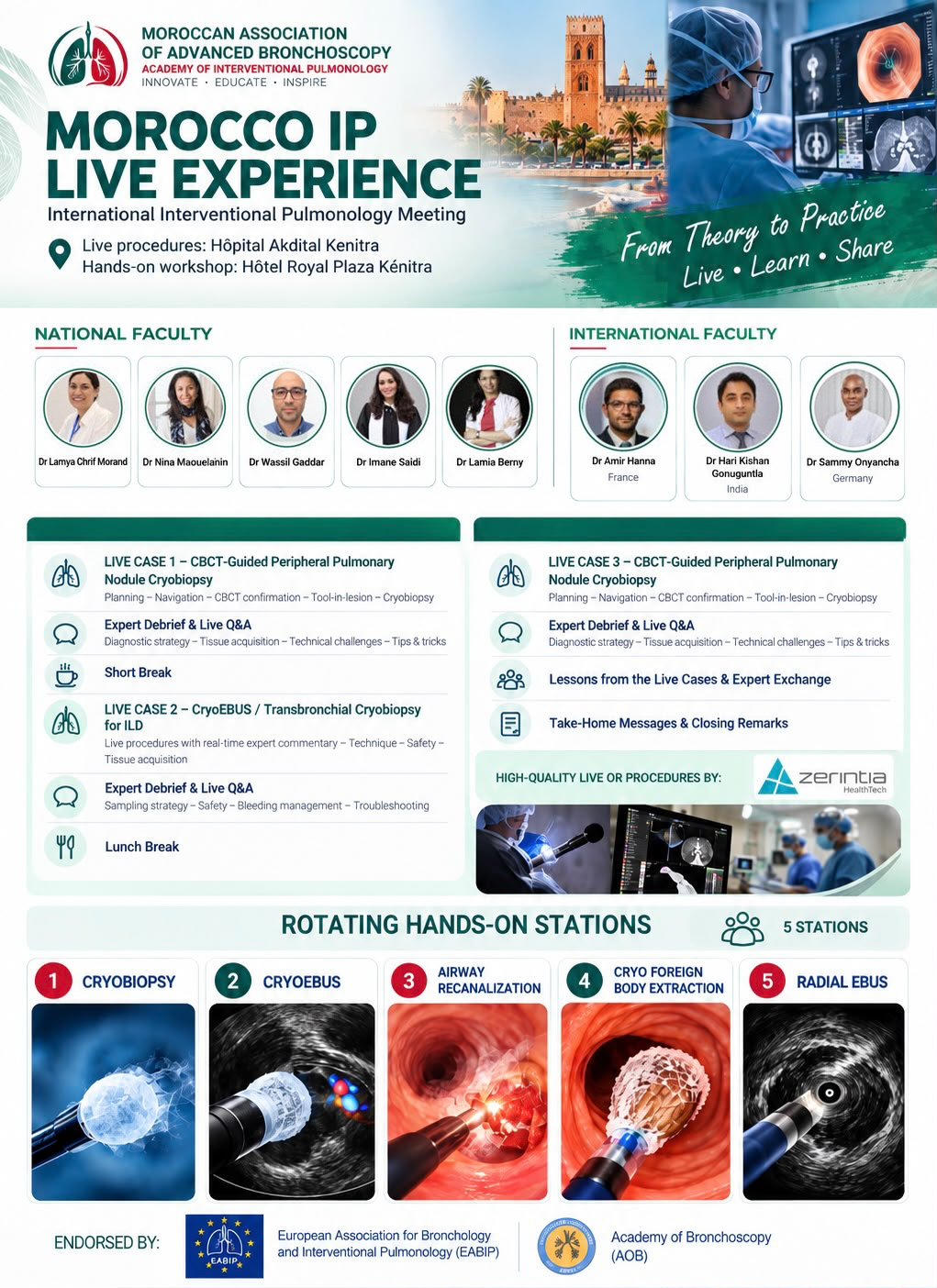
Morocco IP Live Experience — International Interventional Pulmonology Meeting |
|
🏣 Kenitra, Morocco
|
|
📆 29–30 October 2026
|
Organised by the Moroccan Association of Advanced Bronchoscopy (MAAB) / Academy of Interventional Pulmonology, endorsed by EABIP.
|
 |
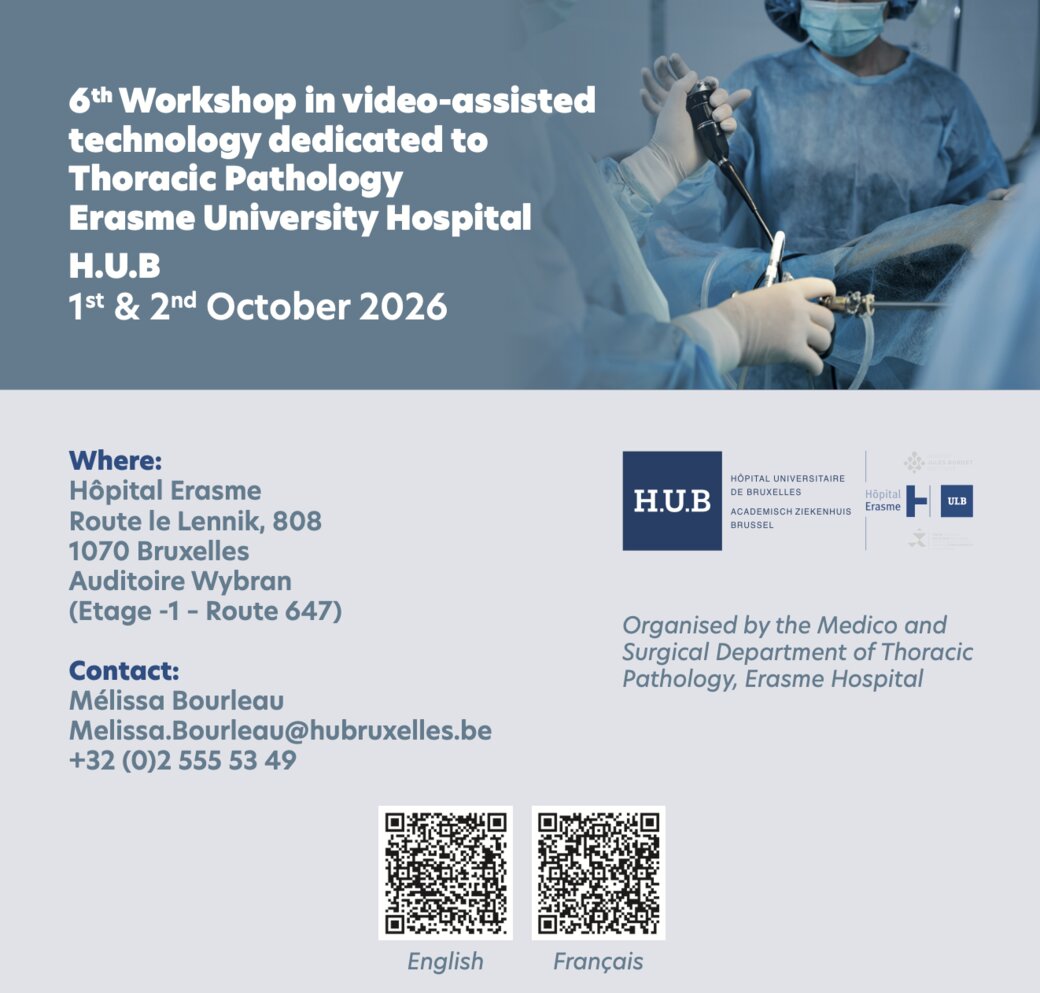
6th Workshop in Video-Assisted Technology dedicated to Thoracic Pathology |
|
🏣 Hôpital Erasme, Bruxelles
|
|
📆 1–2 October 2026
|
Organised by the Medico and Surgical Department of Thoracic Pathology, Erasme University Hospital (H.U.B). Contact: Mélissa Bourleau, Melissa.Bourleau@hubruxelles.be.
|
|
|
|
🏅 Organising an Event?
|
Apply for EABIP Endorsement
EABIP endorsement provides:
| ✓ Increased European visibility |
| ✓ Scientific credibility |
| ✓ Extended outreach to our network |
If you are organising a course, workshop, or scientific meeting, we invite you to submit your endorsement request in advance.
|
|
|
|
🌎 Stay Engaged with EABIP
|
Our strength lies in our community.
We encourage members to:
• Share initiatives and collaborations
• Submit educational material
• Promote national and international projects
Together, we continue to build a strong, united, and forward-looking interventional pulmonology network.
|
|
Share your best moments!
You are invited to share your best bronchoscopic images and videos of airway and/or pleural abnormalities. Selected submissions will be featured in upcoming EABIP Newsletter issues and shared across our social media channels (LinkedIn, Instagram, Facebook).
✉ info@eabip.org
|
|
|
With warm regards,
The EABIP Board
European Association for Bronchology and Interventional Pulmonology
© 2026 EABIP. All rights reserved.
|
|