|
|||||||
Newsletter May 2026 |
|||||||
Dear colleagues and friends, Rigid bronchoscopy remains a cornerstone of interventional pulmonology, combining historical significance with modern therapeutic relevance. First introduced in the early 20th century, this technique has evolved into an indispensable tool, particularly in the management of central airway disorders. Performed under general anesthesia, it provides optimal airway control, ensures effective ventilation, and allows the use of large-caliber instruments, thereby expanding the range of possible interventions. Beyond its diagnostic utility, especially for biopsies of tracheobronchial lesions, rigid bronchoscopy is primarily valued for its therapeutic applications. It plays a critical role in the management of respiratory emergencies such as malignant airway obstruction, foreign body aspiration, and massive hemoptysis. In addition, it enables a wide array of advanced procedures, including mechanical debulking, thermal coagulation, cryotherapy, and airway stent placement. In an era of continuous innovation, rigid bronchoscopy is fully integrated into a multidisciplinary approach, requiring close collaboration between pulmonologists, anesthesiologists, oncologists, and thoracic surgeons. It exemplifies the synergy between technical expertise and technological advancement, ultimately contributing to more effective and personalized patient care. |
|||||||
|
|
|||||||
⭐ Member Spotlight
|
|||||||
 Welcoming the New EABIP Regent for Morocco

|
Dr. Imane Saidi Interventional Pulmonologist & Clinical Research Fellow UM6P Hospital & Faculty of Medical Sciences, Ben Guerir, Morocco |
|
Dr. Imane Saidi is an interventional pulmonologist and clinical research fellow at UM6P Hospital and the Faculty of Medical Sciences of UM6P (Ben Guerir, Morocco), with expertise in lung cancer early screening, diagnosis, and therapeutic management. She holds a Second Level Master in Bronchoscopy and Interventional Pulmonology from the University of Florence (UNIFI, 2025), completed clinical fellowships at the Policlinico Sant’Orsola-Malpighi (Bologna, Italy) and Hospital Universitario Central de Asturias (Oviedo, Spain), and trained as a resident at CHU Mohammed VI in Marrakech. Her work focuses on advancing thoracic oncology and interdisciplinary collaboration, with peer-reviewed publications in journals such as Archivos de Bronconeumología and Respiratory Medicine. Welcome to Dr. Saidi as the new EABIP Regent for Morocco. |
|
🔬 Scientific & Clinical Updates
Therapeutic Bronchoscopy in Malignant Airway Disease: from Endoscopic Ablation to Real-World Outcomes
|
📖 Paper Highlight Endoscopic Ablation for Malignant Lung Lesions: Current Techniques, Unmet Needs, and Future Directions A comprehensive review of current literature. Although surgical resection and stereotactic body radiation therapy are standard treatment options for early-stage disease, both are limited by procedural morbidity and ineligibility among high-risk patients. Similarly, percutaneous image-guided ablation is associated with pneumothorax and pleural injury. Advances in navigation, imaging, and device design have enabled endoscopic ablation to emerge as a minimally invasive technique capable of targeting peripheral and central lesions under real-time image guidance.
|
|
📖 Paper Highlight Predictive Factors of Clinical Success of Therapeutic Bronchoscopy in Malignant Central Airway Obstruction: Results from the EpiGETIF Registry A total of 496 patients from 24 centers met inclusion criteria. The mean preprocedural Borg score was 6.5 ± 2.0 versus 2.2 ± 1.7 postprocedural (mean difference 4.3 ± 2.3). Overall, 302 patients (60.9%) were considered super responders. The only factor associated with super responders in multivariate analysis was a higher baseline Borg score. The only factor associated with non-super responders was a poor performance status and mechanical ventilation.
|
🩺 Case of the Month
|
A Tracheal Lipoma Misdiagnosed as COPD
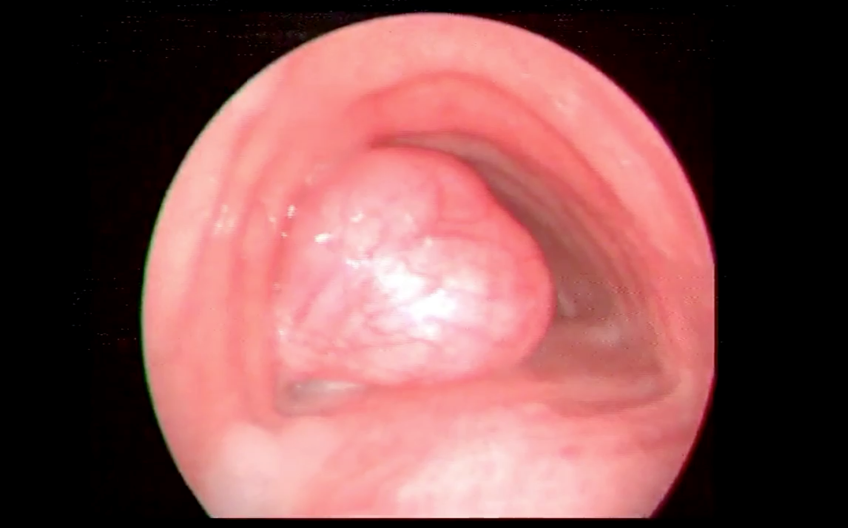
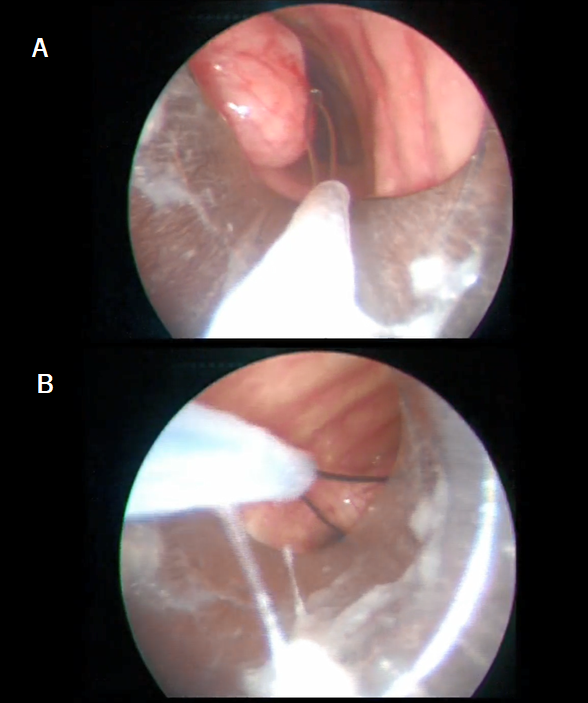
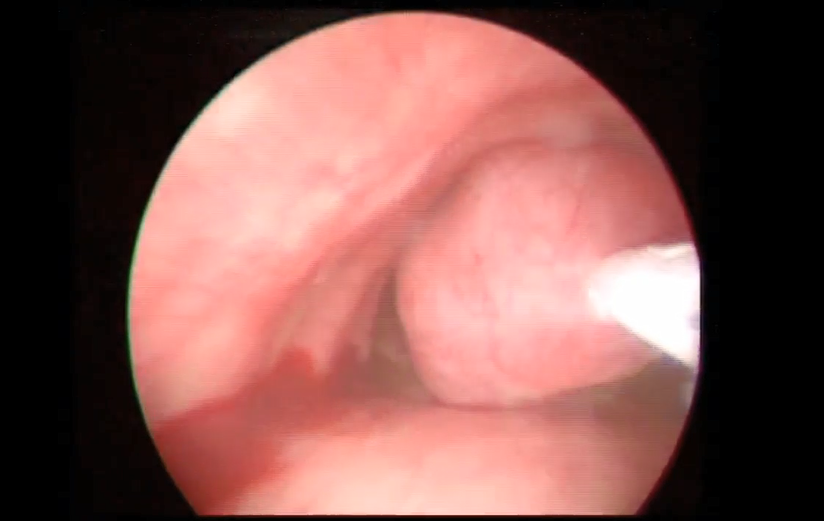
Case presentation A 68-year-old man with a substantial smoking history was referred for evaluation of progressively worsening dyspnea despite multiple bronchodilator regimens administered over the preceding year under a presumptive diagnosis of COPD. Thoracic CT demonstrated a well-defined intraluminal mass within the trachea causing significant airway narrowing. Rigid bronchoscopy under general anesthesia was planned to allow direct airway assessment, secure airway control, and obtain tissue for histopathological diagnosis. Procedure On rigid bronchoscopy, a pedunculated endotracheal lesion was visualized arising from the left lateral wall of the trachea, obstructing a substantial portion of the lumen. Mechanical debulking was initiated using snare electrocautery to transect the lesion at its pedunculated base. The detached mass migrated distally and was successfully retrieved en bloc using a cryoprobe, leveraging its adhesive extraction capability. Residual tissue at the implantation site was treated with argon plasma coagulation (APC) followed by adjunctive cryotherapy to achieve optimal local control and minimize the risk of recurrence.
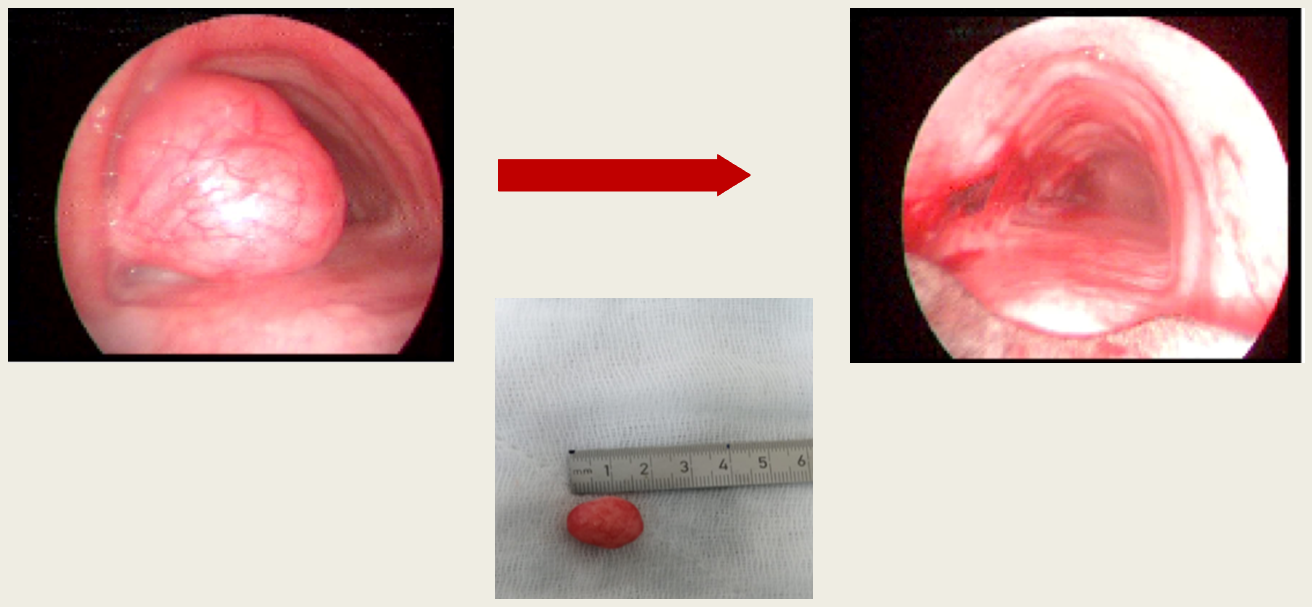
Fig. 5 — Final bronchoscopic appearance, restored tracheal lumen patency. Final diagnosis Tracheal Lipoma. |

 Assoc. Prof. Efsun Gonca Uğur Chousein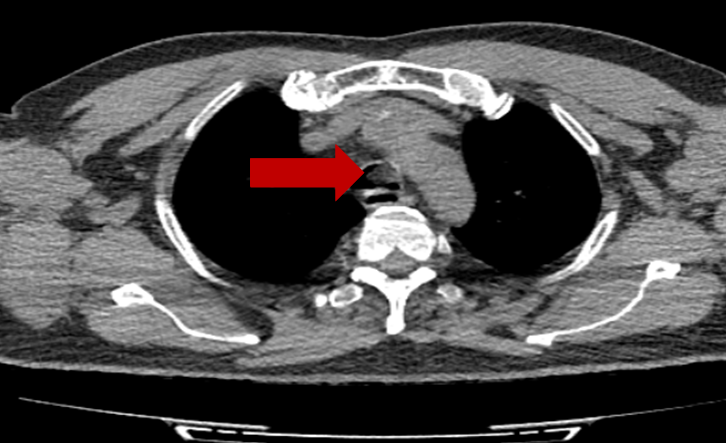
🔍 Procedure Spotlight
|
Bronchoscopic Recanalisation Combined with Tarlatamab in Relapsed SCLC
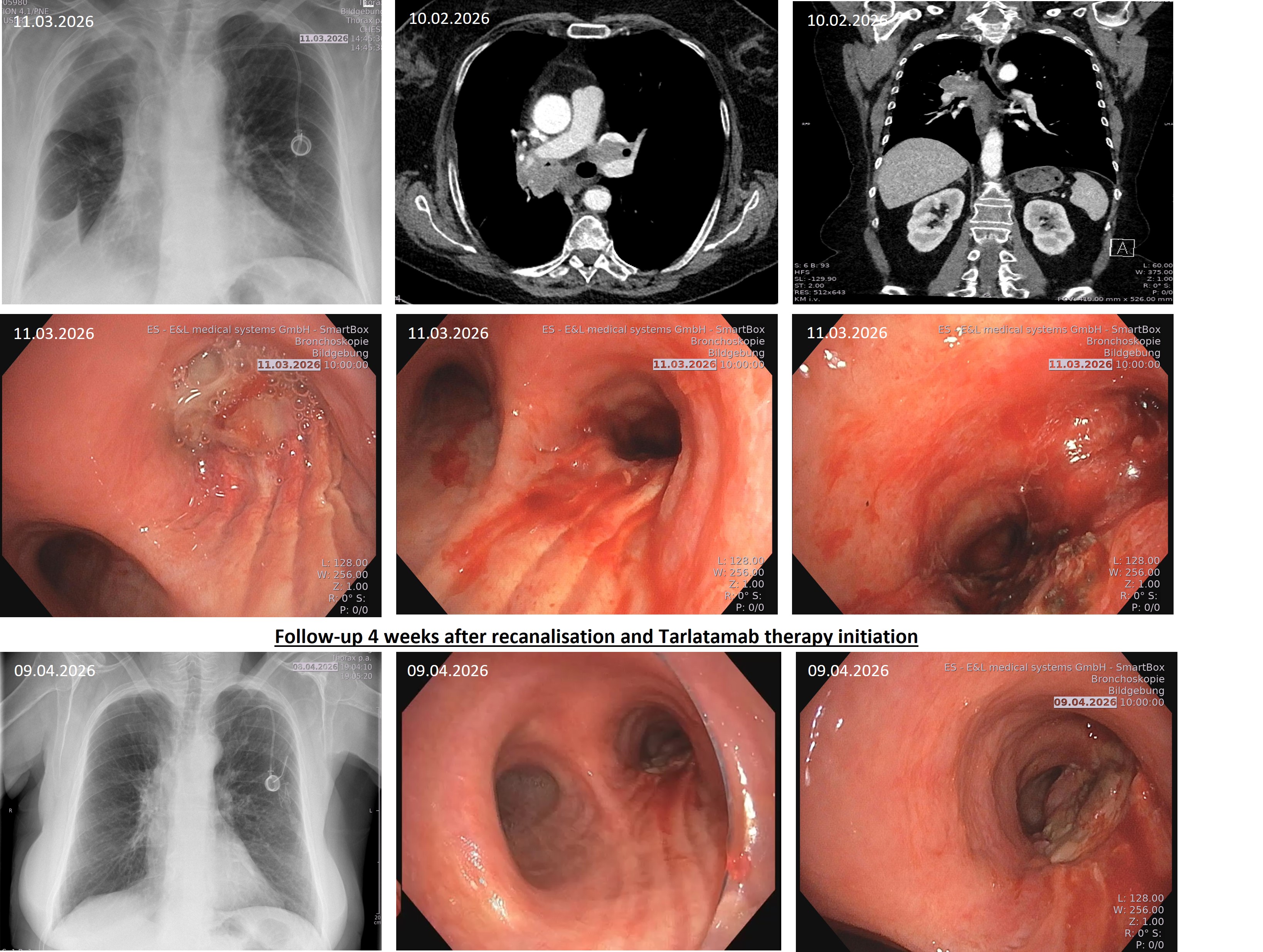
Multimodal imaging and bronchoscopy. Top row (10 to 11 March 2026): baseline chest X-ray and CT showing a centrally located mass with significant endobronchial involvement and obstruction of the main bronchial lumen. Middle row (11 March 2026): high-grade endobronchial tumor with near-complete luminal obstruction; endobronchial recanalisation restores partial airway patency. Bottom row (09 April 2026, 4-week follow-up after recanalisation and initiation of Tarlatamab): improved aeration and sustained airway patency with marked reduction of endobronchial tumor burden. Patient summary A 65-year-old woman was diagnosed with small cell lung cancer (SCLC) of the right lung in February 2021 after persistent dry cough led to diagnostic bronchoscopy. There were no distant metastases at diagnosis. She received first-line cisplatin and etoposide followed by radiochemotherapy, achieving an initial regression. Over the subsequent years she experienced multiple episodes of local recurrence; several lines of systemic therapy were administered, including re-treatment with platinum-based chemotherapy and later topotecan, with partial responses and intermittent stabilization. In 2024, stereotactic radiotherapy provided temporary regression. By early 2026 the patient developed clinically significant tumor progression with dyspnea and cough caused by obstruction of the right main bronchus. Bronchoscopic intervention In March 2026, bronchoscopic recanalisation of the right main bronchus was performed using cryoprobe and APC, leading to significant symptomatic improvement in dyspnea and overall functional status. Beyond immediate symptom relief, recanalisation of the tumor-bearing airway may enhance the effectiveness of subsequent systemic therapies by improving drug delivery, reducing hypoxia, and restoring functional lung capacity. Subsequent oncologic therapy Following the intervention, treatment was continued with Tarlatamab, a bispecific T-cell engager immunotherapy targeting delta-like ligand 3 (DLL3) and CD3, a promising antitumor strategy in relapsed SCLC. 🎥 Procedure videos Video 1. Recanalisation, day 1. Video 2. 4-week follow-up after recanalisation and initiation of Tarlatamab. |

 Dr. Gani Oruqaj, MD, PhD
Alternatively, would you like to feature a procedure infographic this month (e.g. rigid bronchoscopy workflow to echo the editorial intro), or skip this section for May?
🤝 Community & Networking
Shaping the Future of Interventional Pulmonology, Together
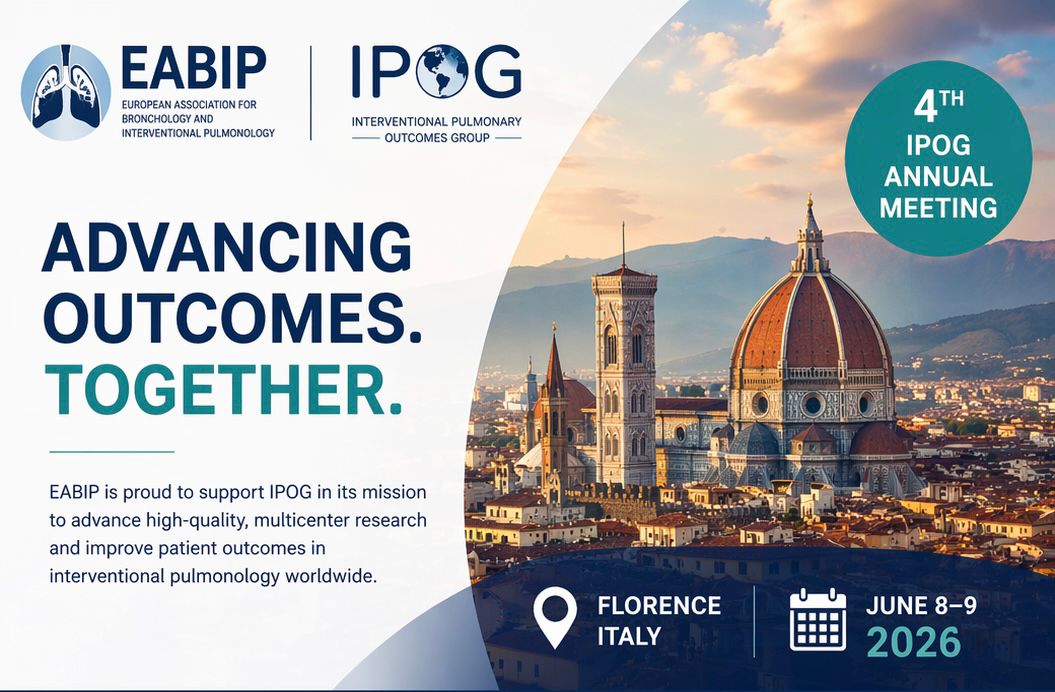
EABIP is proud to support the Interventional Pulmonary Outcomes Group (IPOG) and its mission to advance high-quality, multicenter research and improve patient outcomes in interventional pulmonology worldwide.
4th IPOG Annual Meeting
Join leading experts from around the world to:
• Explore the latest advances in diagnostic and therapeutic bronchoscopy
|
🎓 Education & Training
Course on ROSE for Respiratory Clinicians
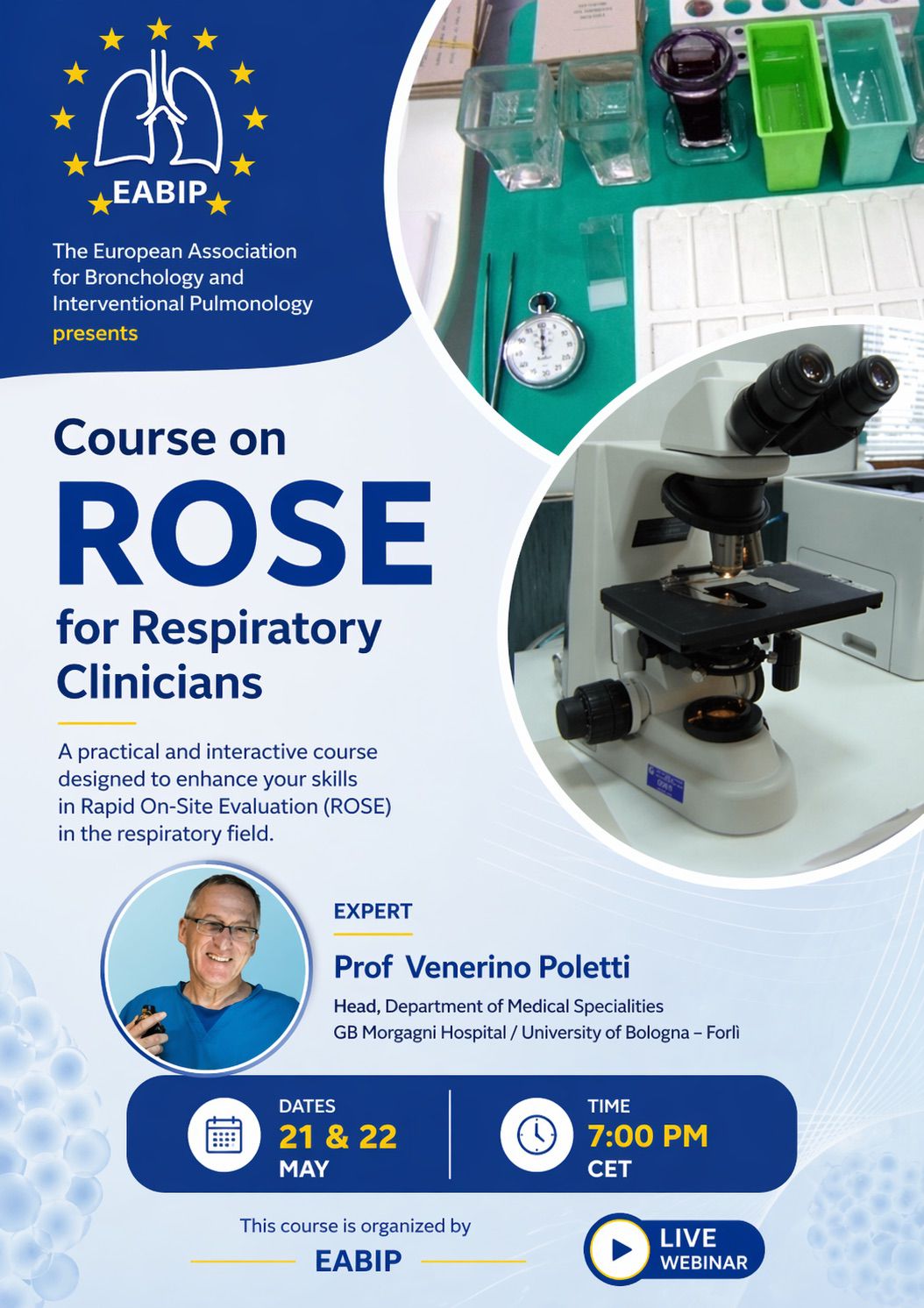
A practical and interactive course designed to enhance your skills in Rapid On-Site Evaluation (ROSE) in the respiratory field. Learn directly from renowned expert Professor Venerino Poletti and gain practical insights you can apply immediately in your daily clinical work. Enhance your diagnostic accuracy, streamline your procedures, and elevate patient care with real-time cytology expertise.
|
📅 Upcoming Events
4th Global Conference on Robotic Assisted Bronchoscopy

RAB 2026 is back in Italy! The 4th Global Conference on Robotic Assisted Bronchoscopy will return to its birthplace in Brescia, bringing together leading experts in the field.
|
24th World Congress of Bronchology and Interventional Pulmonology
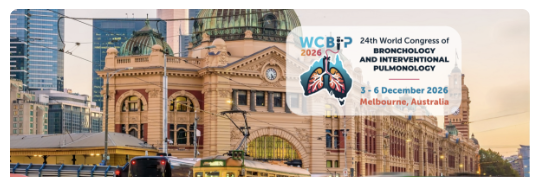
The premier international meeting in bronchology and interventional pulmonology returns for its 24th edition. Join colleagues from around the world for cutting-edge science, hands-on workshops, and networking opportunities. Abstract submissions are now open, don’t miss the opportunity to present your work on the world stage.
|
9th European Congress of Bronchology and Interventional Pulmonology
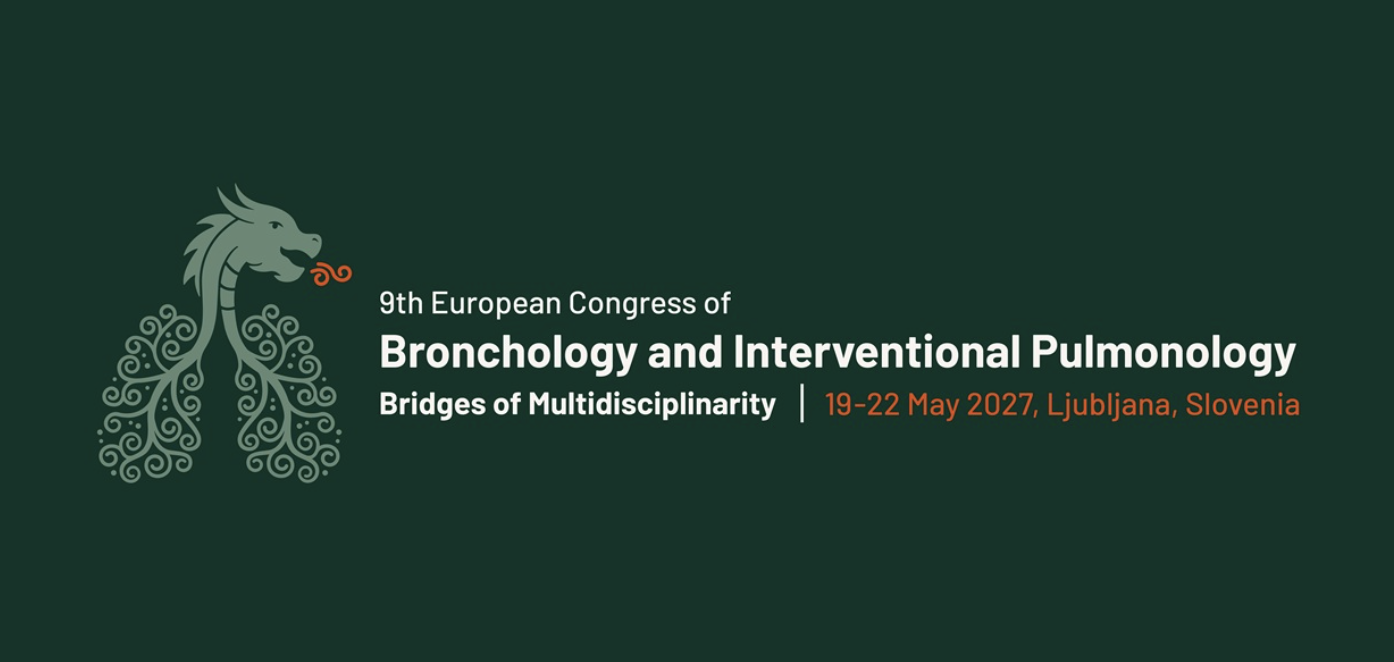
The 9th ECBIP will gather European and international experts to advance the frontiers of bronchology and interventional pulmonology through multidisciplinary collaboration. Save the date, more details on registration and abstract submission coming soon.
|
🏅 Organising an Event?
|
Apply for EABIP Endorsement EABIP endorsement provides:
If you are organising a course, workshop, or scientific meeting, we invite you to submit your endorsement request in advance.
|
🌎 Stay Engaged with EABIP
|
Our strength lies in our community. We encourage members to:
• Share initiatives and collaborations Together, we continue to build a strong, united, and forward-looking interventional pulmonology network. |
|
Share your best moments! You are invited to share your best bronchoscopic images and videos of airway and/or pleural abnormalities. Selected submissions will be featured in upcoming EABIP Newsletter issues and shared across our social media channels (LinkedIn, Instagram, Facebook). ✉ info@eabip.org |
| BECOME A MEMBER |
With warm regards,
The EABIP Board

|

|

|
European Association for Bronchology and Interventional Pulmonology
© 2026 EABIP. All rights reserved.